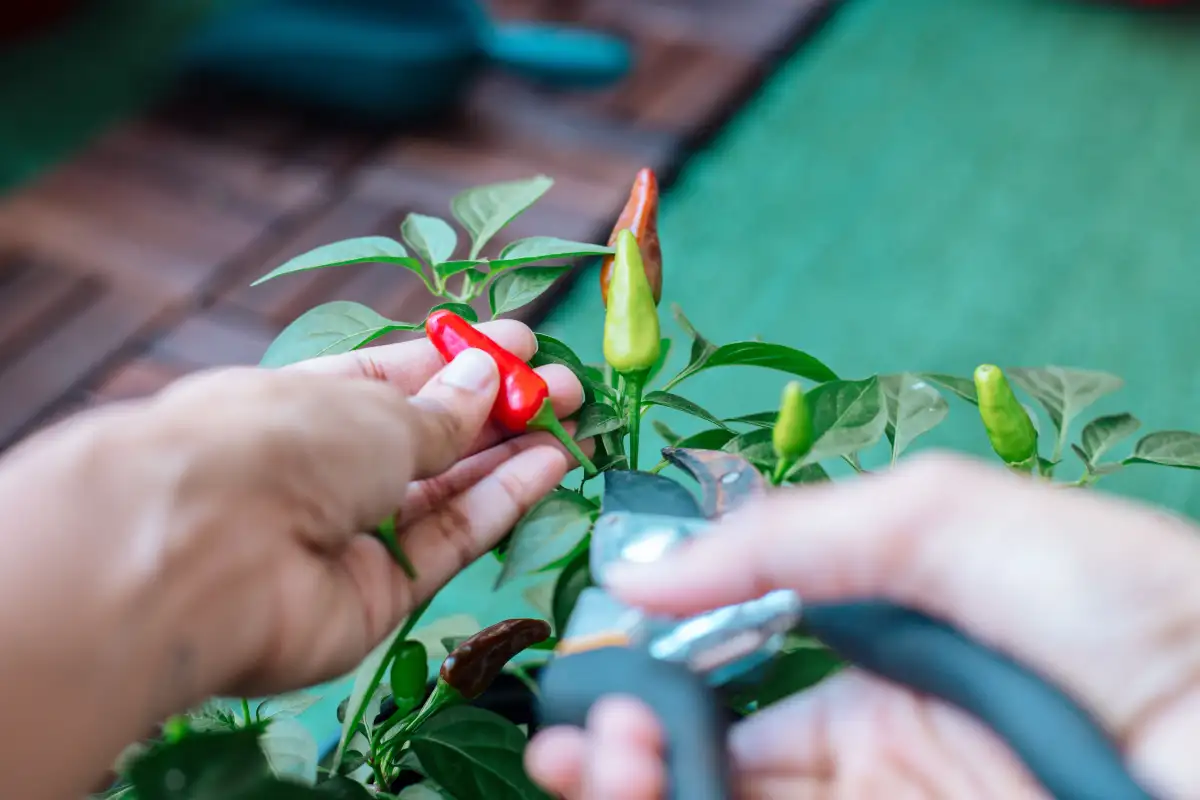
A closed cold frame, a plastic-covered tunnel, or a glass sash will run well above the outside air temperature within an hour of direct sun, in January as easily as in May, and the plants under that lid are killed far more often by midday overheat and the moisture sealed in with it than by any cold night. The fix is not thicker insulation or a second layer of cover. It is an operating routine: vent the cover on a schedule tied to the sun, water in the morning so foliage dries before evening, water less often than you would in an open bed, and open the ends once flowers appear so pollinators can get in. Spunbond row cover is the exception, because it breathes and does not need a daily venting ritual, while anything clear and sealed does.
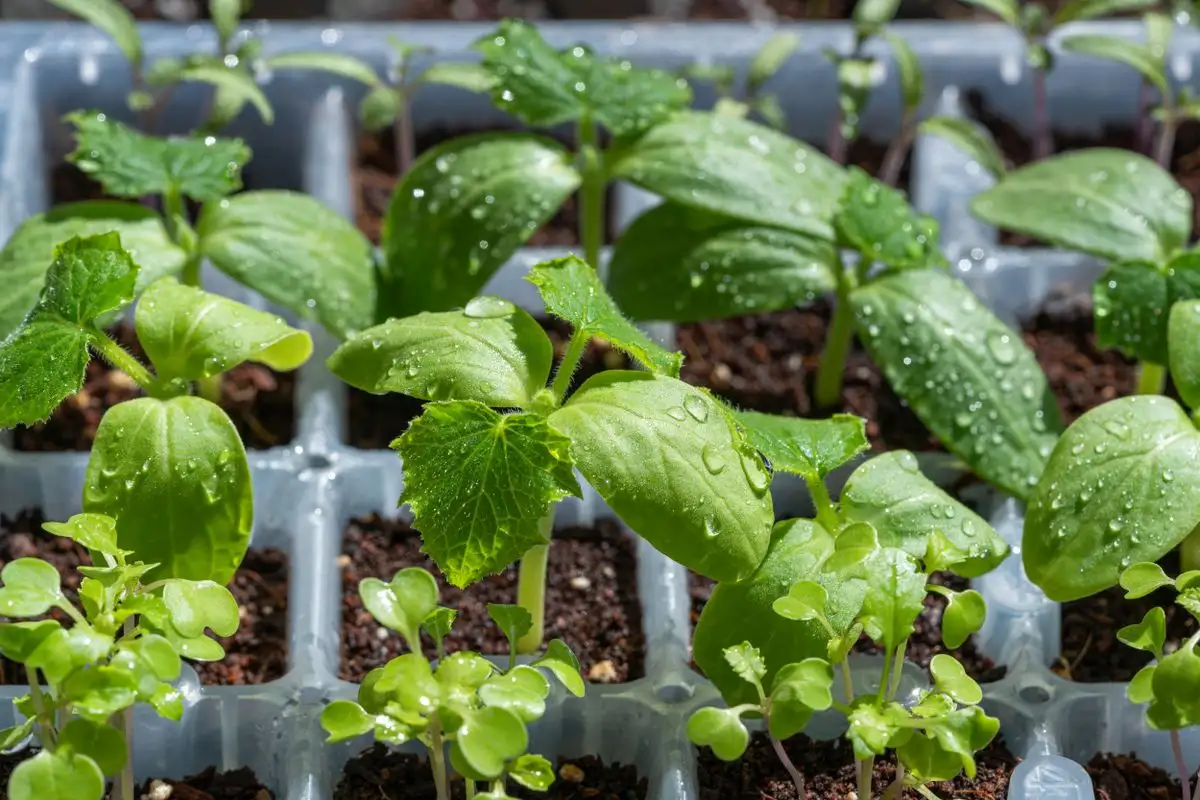
I want you standing beside me at the frame at eleven on a clear morning. Lift one corner of the lid an inch and put your face near the gap. What comes out is warm and wet and faintly green, like the breath of a compost pile, and it does not stop, a slow exhale that keeps coming. The air on the back of your neck is in the forties. Put your palm flat on the soil and it is warmer than your hand. That one breath is the whole problem: the cover did its job too well, and it will keep doing it until you open it.
The Cover Is Not the Problem. The Closed Cover Is.
Everybody who builds a cold frame thinks about the cold. I did. You cut the sides at a slope, you sink it into the ground, you seal the corners, you lay the glazing so it sheds water. All of that is protection, and all of it works. The failure I see in my own beds, and in every covered bed someone has asked me to look at, happens on the clear days, not the cold ones.
The tell is where the damage sits. Freezing injury tends to hit the most exposed tissue first, and those leaves go water-soaked and then dark. What a closed frame does looks different: the plants closest to the glazing go limp, then crisp and papery on the side facing the sun, while the soil around them is still damp. That is not a cold problem. That is a sauna.
The peak is not at noon, either. On a still day with the frame backed by a south wall, the air inside keeps climbing into early afternoon while the wall behind it radiates. When I check around one o'clock, that is usually when the lid is hottest to the touch and the inside air is at its worst. So the window I plan around is roughly late morning through mid-afternoon, not the coldest hour of the night.
Condensation Does the Second Half of the Damage
Overnight, the inside face of the glazing drops below the dew point and water beads on it. It runs down to a low corner and drips. Wherever it drips, it drips on leaves, and by morning the foliage under that drip line has been wet for hours. In a sealed frame with no air exchange, the humidity stays high well into the day.
That is the setup extension guidance points to for damping-off in seedlings and botrytis on older tissue. Damping-off looks like seedlings toppling at the soil line with a pinched, water-soaked stem. Botrytis is the gray fuzz that shows up on damaged or dying leaves in still, damp air. I am not getting into sprays here. The standard land-grant guidance for both is airflow and dry foliage first, and that is where the effort pays.
The Daily Routine
Morning, before the sun clears the fence
Open the lid before you do anything else. Getting the overnight humidity out is the first job and it is more urgent than watering. Then water, at the base, not over the leaves, and only if the soil two inches down is actually dry. Watering in the morning means any splash that lands on foliage has the whole day to dry before the lid goes back down.
How wide to open depends on the day. Still air and a clear forecast: open wider than feels right. Wind and a cold forecast: a crack is enough, and on windy days I open on the side away from the wind so the warm air does not get stripped straight out.
Midday, or the day you are not there
The second opening is the one that saves plants. If you are home, widen the lid around late morning and leave it through the afternoon. If you are not home, set it wider before you leave and accept that the frame loses some of its heat. That is a better trade than coming home to cooked seedlings.
There is a third option for the days you cannot get back: shade the frame instead of venting it. A board leaned against the south side, or a piece of shade cloth laid over the glazing, cuts the solar gain without dumping all the warm air. The trade-off is obvious. You lose light too, and in January light was the thing you were trying to capture.
Prop the lid with something that cannot fall. A brick, a cut-off length of 2x4, a scrap of pipe. A lid that slams shut in a gust will snap stems at the soil line and you will not notice until the next morning.
Late afternoon, before the temperature falls off
Close early enough to trap the day's warmth, late enough that you are not sealing a hot box for the evening. The thermometer to read is the one inside the frame, not the one on the porch. They can be twenty degrees apart, and the porch one will lie to you.
Do not close over wet foliage on a mild evening. That is the opening botrytis needs, and waiting an hour costs nothing.
The Weekly Pass
A few jobs are better done once a week than twice a day.
Check moisture at depth, not at the surface. Under cover the top inch can look dry while two inches down it is still moist. I push a finger in, or dig with a trowel where I am about to plant. Covered beds need watering less often than open ones, because wind is not stripping the surface and the cover cuts evaporation, but they fail differently when they do dry out, since there is no rain to bail you out.
Lift the lid and look at the underside. Find where the condensation runs and pools. That is where rot starts. If water is collecting in a low corner of the glazing, fix the pitch or wipe it out. A small change in how the frame sits changes the drip line, and the drip line is what decides which leaves stay wet.
Look at the growing tips and the undersides of the leaves. Still air under a cover is friendly to aphids and whiteflies and unfriendly to the insects that eat them. You will find the problem earlier on the underside of a leaf than anywhere else in the frame.
Air exchange is not only about mold. Once squash, cucumbers, beans, or tomatoes start flowering under cover, bees and other pollinators need a door. Open the ends of the tunnel through the flowering period, or hand-pollinate. A covered squash plant will set fruit without you only by luck.
Spunbond Is Not the Same Tool as Plastic
This is where a lot of advice online contradicts itself, because two people are using the same phrase for two different materials.
Spunbond row cover, the white fibrous stuff, breathes. Moisture passes through it, heat builds far more slowly, and it does not need a daily venting ritual. Its main job is cutting wind and holding a few degrees, not trapping solar gain. I still lift it on a hot still afternoon to check, and if the soil underneath is soaked it can hold a humid pocket like anything else, but the routine is close to hands-off.
Clear plastic, poly tunnels, glass sashes: sealed. All the heat stays, and all the moisture stays. Those are the covers that need the lid lifted twice a day, and those are the covers that will kill a flat of seedlings between breakfast and lunch.
The Tradeoffs, Including the Day You Are Not There
Nothing here is free.
Open wide on a cold, windy day and you dry and chill the plants you were trying to protect. A crack is often the right size.
A small frame filled with sandy soil heats fast and cools fast. A big frame with a lot of soil mass is more forgiving overnight and just as capable of overheating at midday, because the mass holds the heat it collected.
And venting costs you warmth at night. Every hour the lid was open during the day is heat the soil did not bank. That is the honest trade, and I would take it every time, because a plant that survived a twenty-five degree night and got cooked at noon is still a dead plant.
Bringing Plants Out From Under Cover
Plants raised under cover grew up in still, humid air, and their leaves are softer for it. Rip the lid off on the first sunny day and they scorch, not from heat but from light and wind they never had.
Do it over several days. Open wide for an extra hour each day, then leave the cover off for a morning, then a full day, then overnight. If the forecast after removal is bright and still, shade them for the first day or two. An overcast, mild day is the best day to start. Trying to harden plants off in a heat wave is how people lose plants they already raised for six weeks.
None of this needs a controller, a sensor, or a new frame. It needs you at the lid in the morning, at the lid again around lunch, and back at it before the sun leaves the box. The cover is the easy part. The couple of minutes a day you spend opening it is what decides whether the plants under it reach spring.