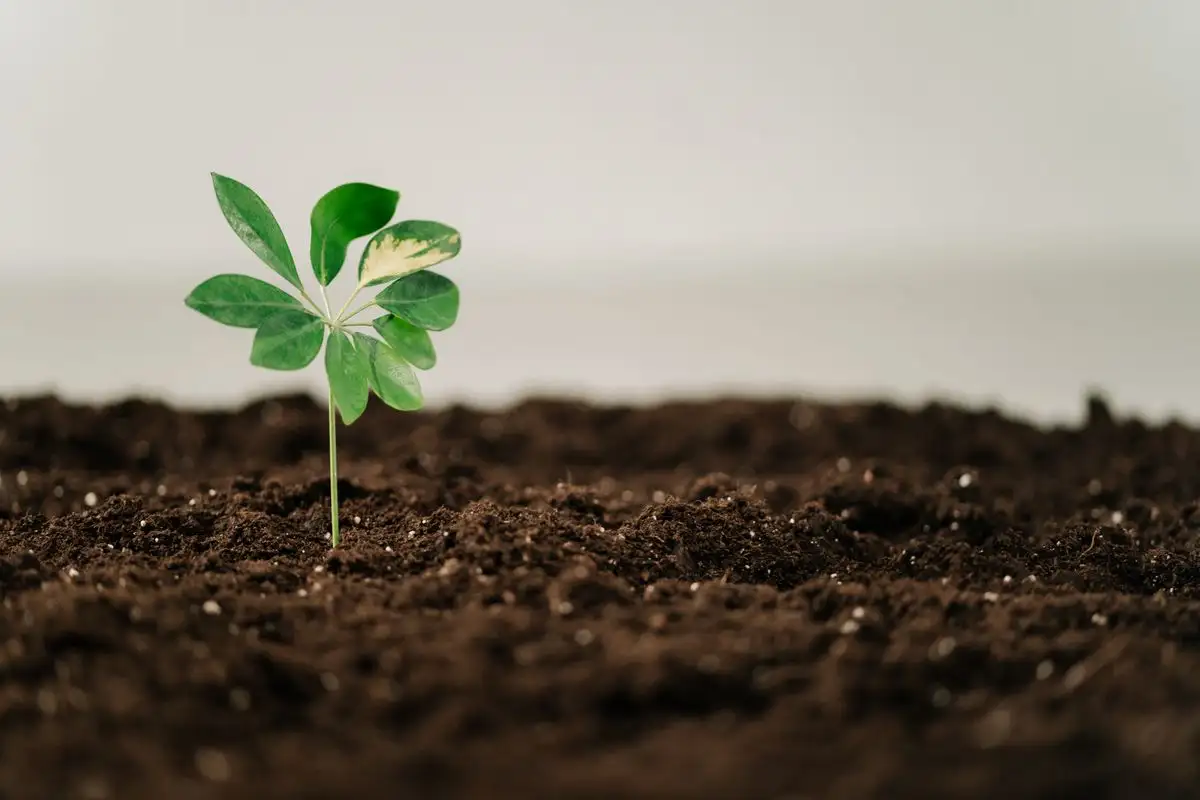
Which soil pH test should you actually trust at home?
Color kits, hand-held meters, and lab suspension tests resolve different questions. Sampling error usually matters more than the method you pick.
Soil preparation, testing, pH adjustment, nutrient diagnosis, composting, and fertilizing.
Color kits, hand-held meters, and lab suspension tests resolve different questions. Sampling error usually matters more than the method you pick.
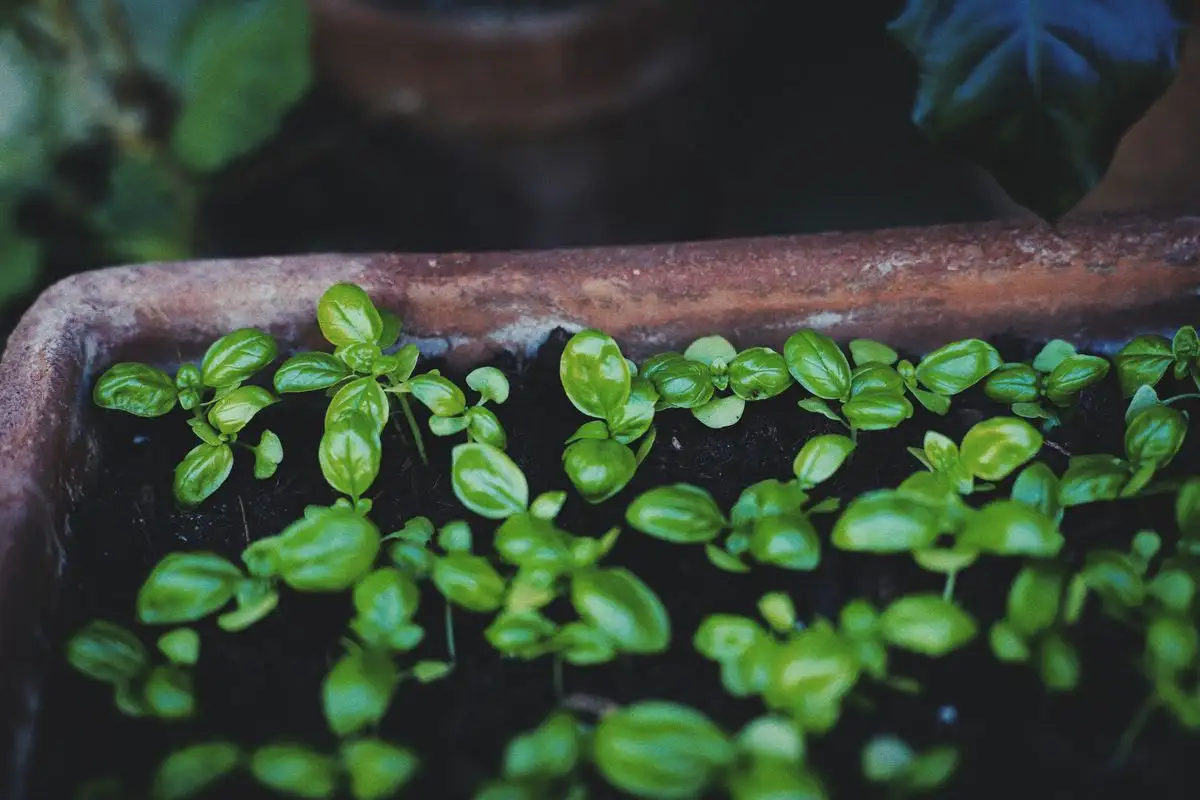
Soilless potting mix runs out of food weeks before harvest. How container gardeners time feeding around the switch from leaf growth to fruiting.
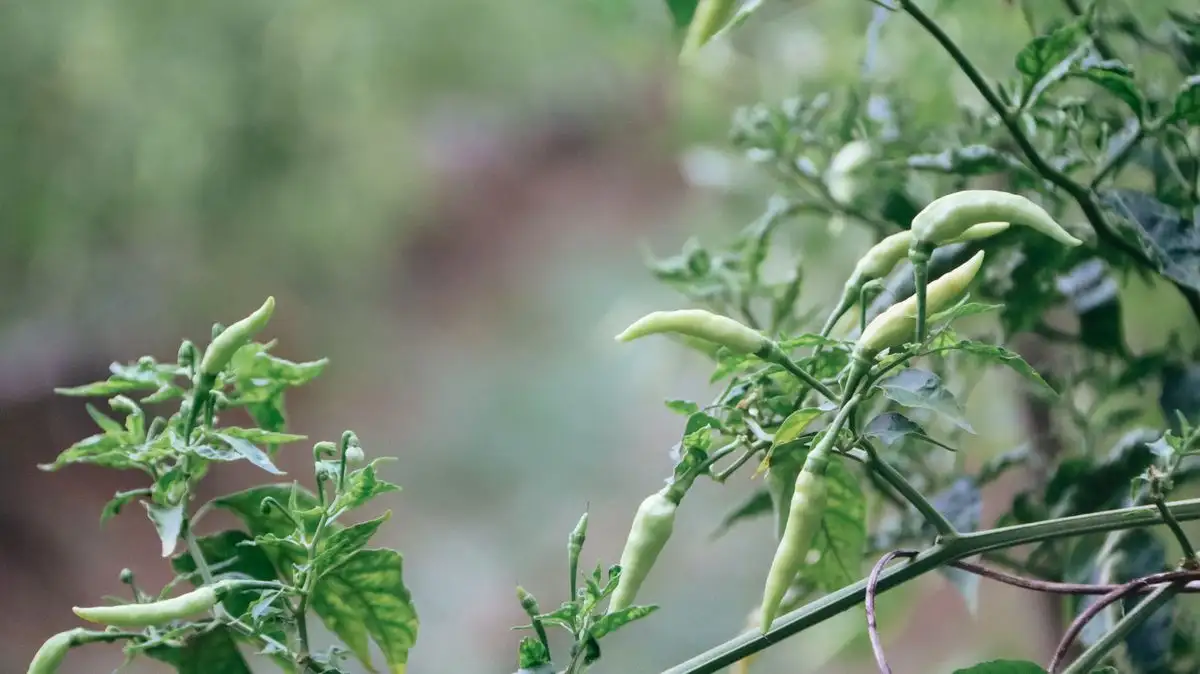
Fertilizer can run through a drip line if you get the order right: pre-wet the soil, inject dilute, then flush long enough to clear every emitter.
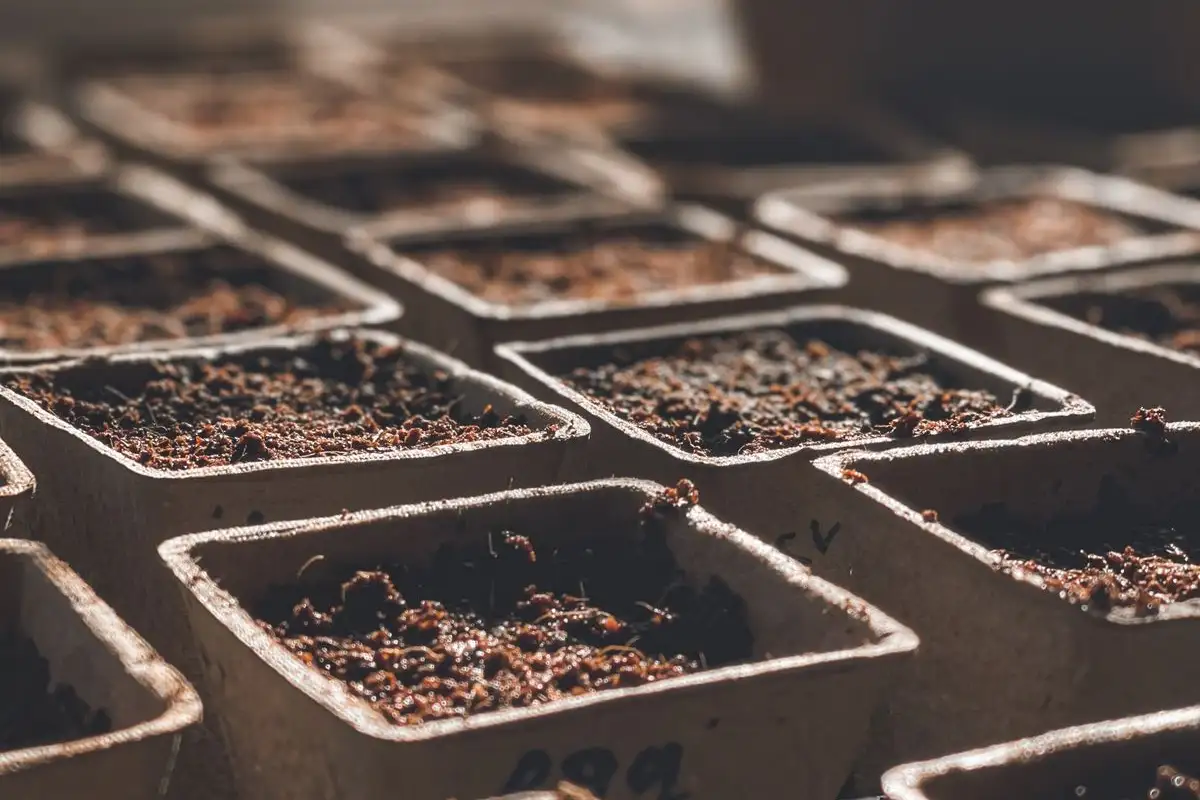
Stop next year's weeds by draining the soil seed bank: zero seed set, solarization, occultation tarping, and rotation, tested in a small city garden.
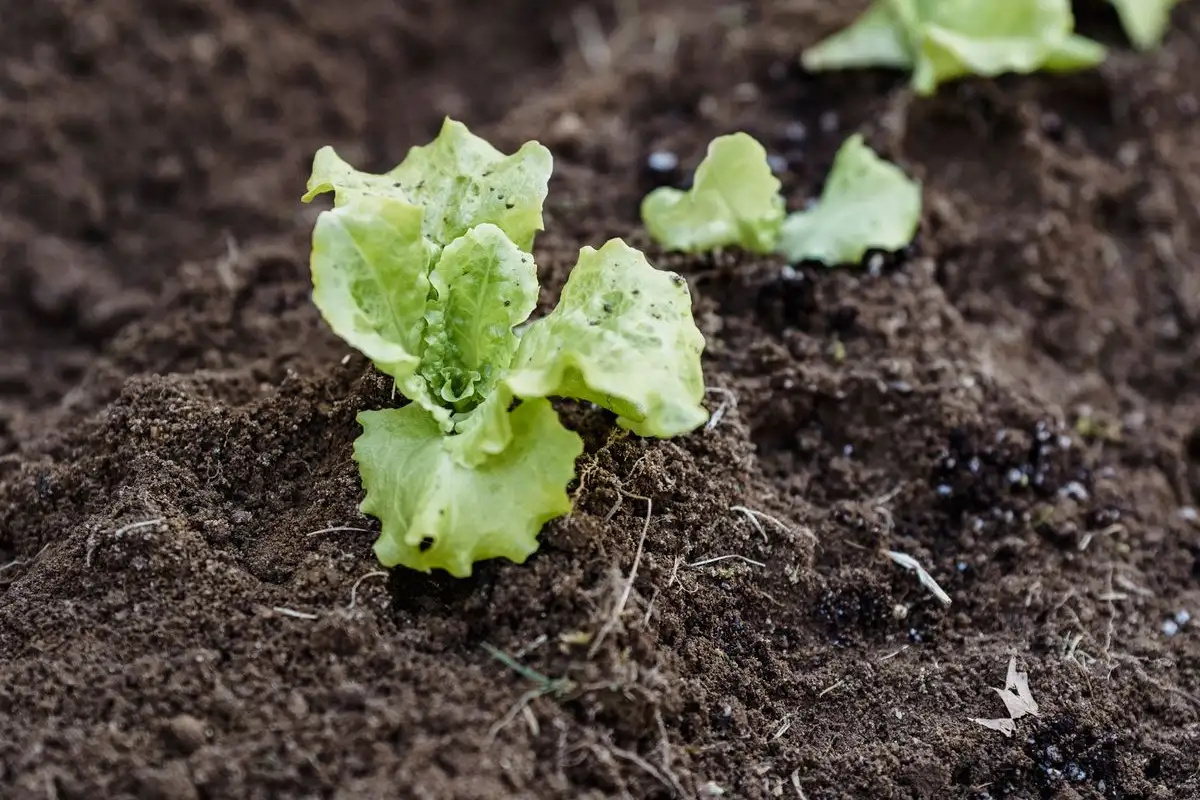
Amendments change soil structure and slow-release minerals need weeks in the root zone, while fertilizers feed now. Match each to your planting date.
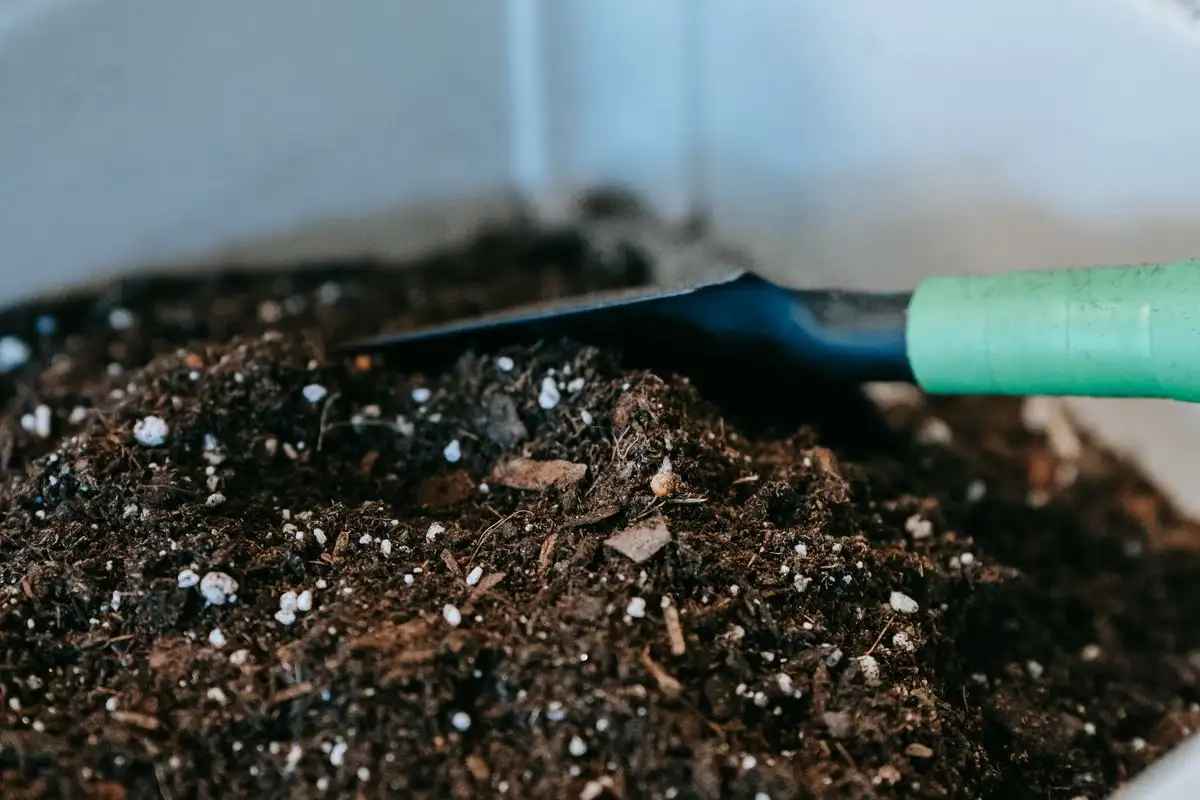
Sort compost tea's three claims: nutrients, disease suppression, and soil biology. See what extension trials show and whether brewing is worth it.
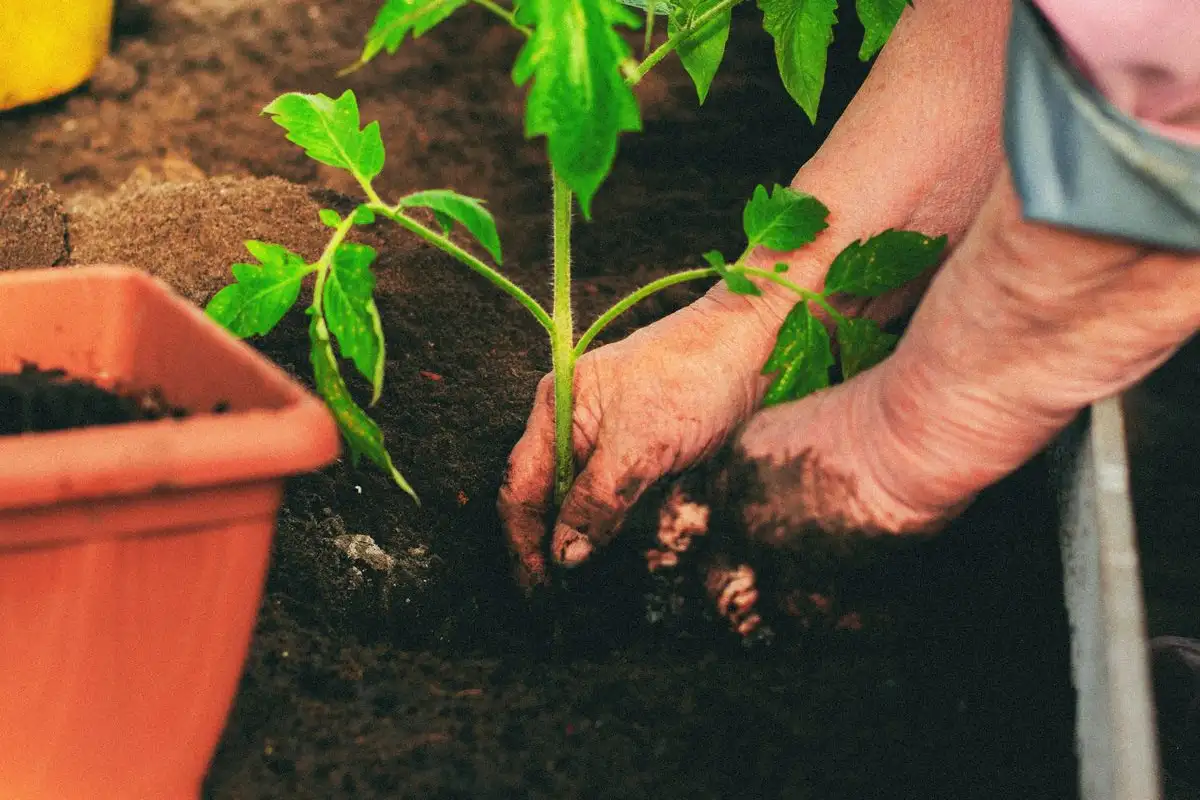
Compost tea carries only a tiny fraction of the nutrients in the compost you brewed it from. Here's the label-free math and what tea actually does.
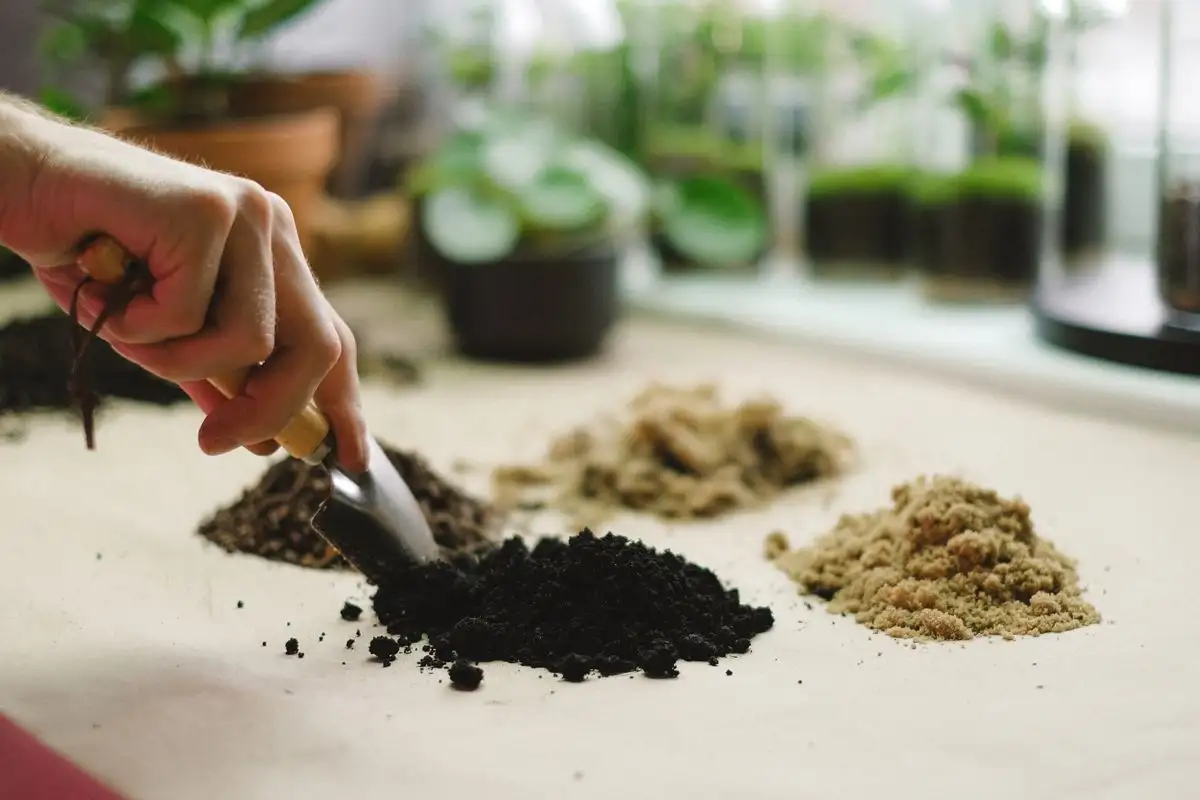
Fertilizing vegetables is three decisions, not one. How to scale soil test rates, time side-dresses, and pick a nutrient form that won't burn your roots.
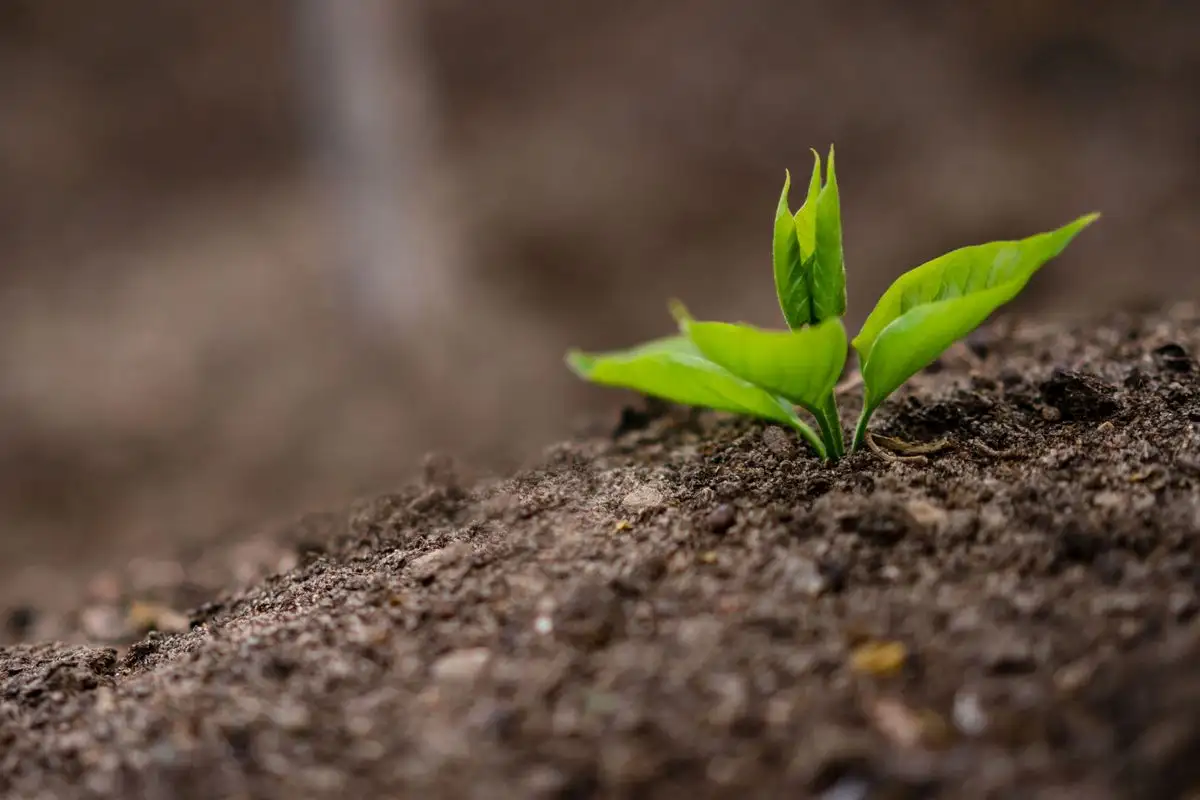
Diagnose whether your soil lacks structure, pH, minerals, or biology, then match one amendment class with rates for containers, raised beds, and small plots.
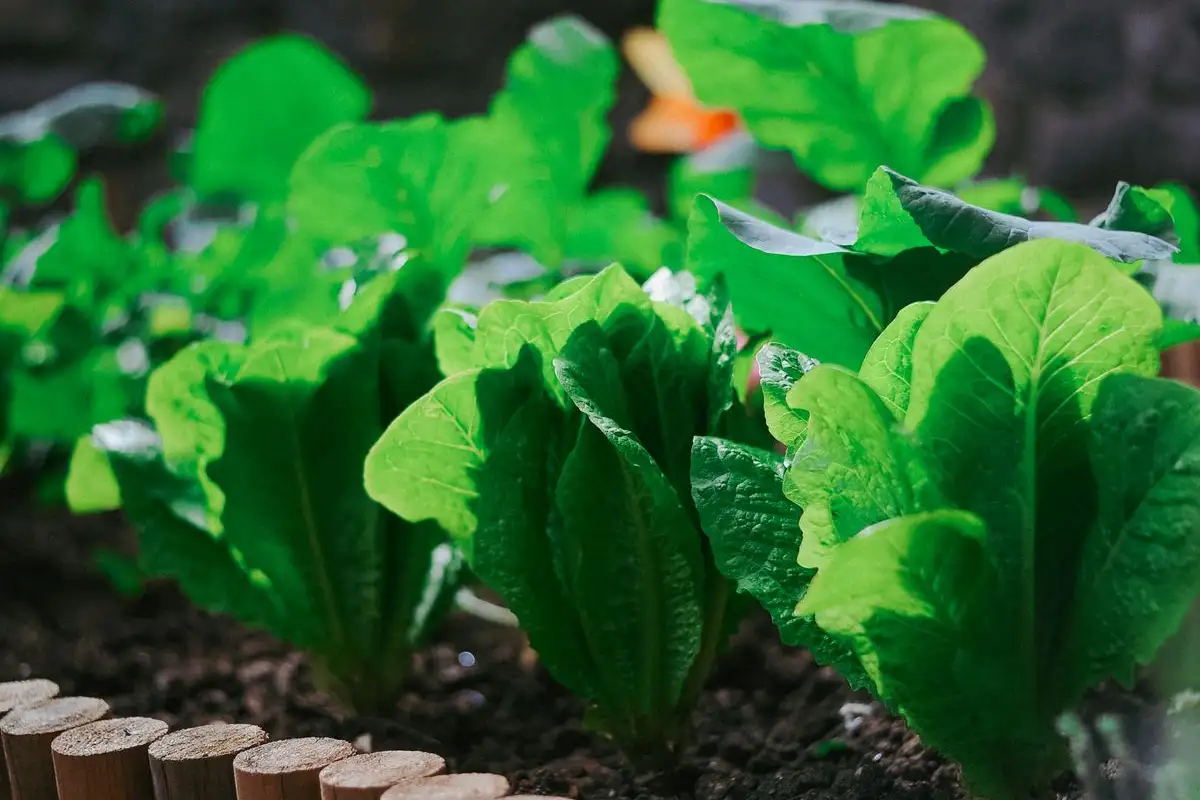
Brown, crispy leaf edges are salt burn from overfeeding. Learn to read the symptoms, leach the pot, and rebuild the root zone instead of adding more fertilizer.