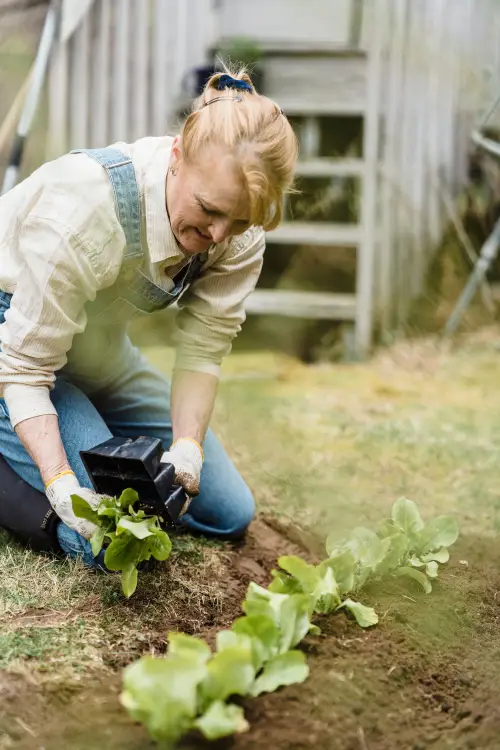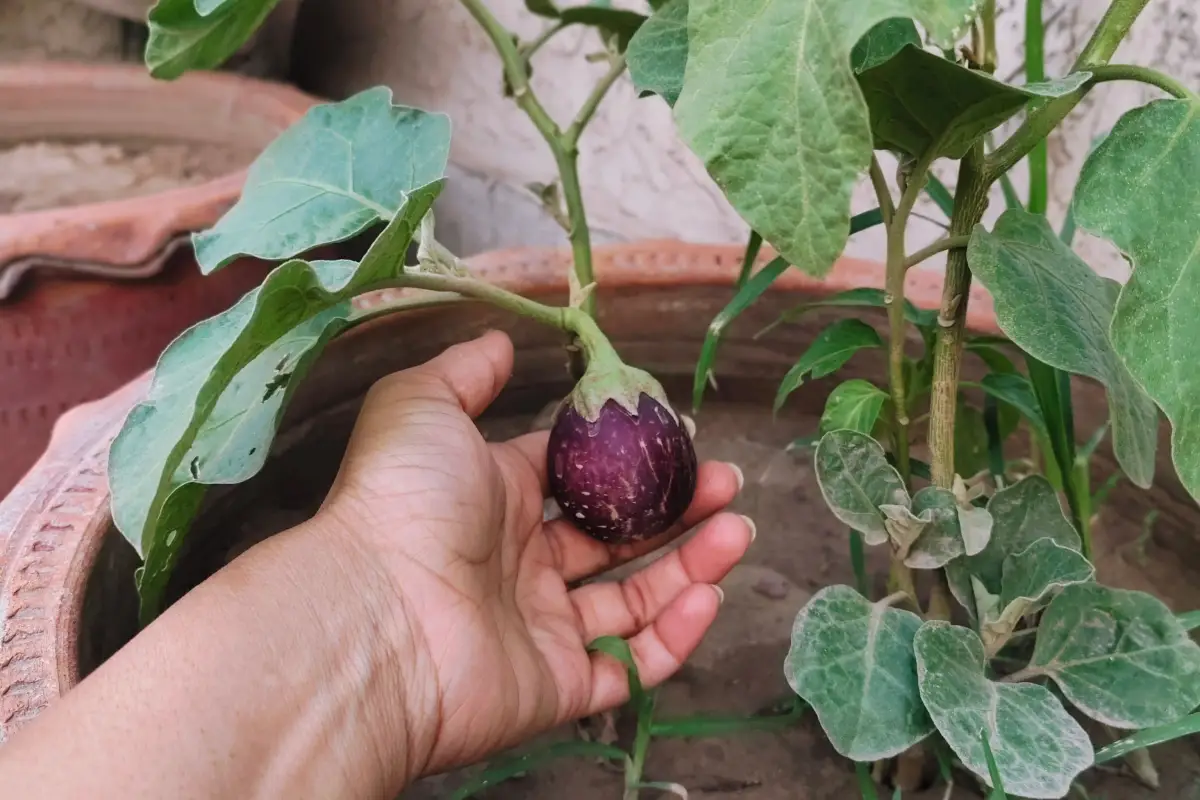
A 10-inch-deep pot on a fire escape grows radishes and leaf lettuce well. The same pot, given a carrot variety that needs 12 inches, produces thin, stubby roots. The grower measures the depth, hesitates before adding more plant food, then replants lettuce and radishes. In containers, pot depth and soil volume determine the harvest before fertilizer ever matters.
Pot-Size and Soil-Volume Checklist for a Productive Container Harvest
Work through these checks in order. Each one removes a physical limit that no amount of plant food can fix.
- Measure the true soil depth before choosing a crop.
- Match root depth thresholds to the pot, not to the fertilizer label.
- Use footprint math to decide between one deep crop and several shallow ones.
- Verify drainage holes before filling any container.
- Fill containers with potting mix, not ground soil.
- Water to keep the whole root zone evenly moist.
- Apply fertilizer at lower concentration but more often after the pot is sized.
- Inspect roots and adjust watering before and after repotting.
Applying the Pot-Size Checks in Order
Measure the true soil depth before choosing a crop
Measure from the bottom of the container interior to the surface of the mix, not from the rim. A gravel layer or built-in saucer can steal 2 to 3 inches of usable depth. This check takes two minutes per container. The most common failure is reading the pot label instead of measuring inside. A 12-inch-tall pot may hold only 9 inches of growing medium.
Match root depth thresholds to the pot, not to the fertilizer label
Use the crop's root depth threshold, not the feed schedule on a fertilizer package. Lettuce, spinach, and radishes need 6 to 8 inches of soil depth. Carrots and beets need 10 to 12 inches. Tomatoes need 12 to 18 inches. Planning this match takes five minutes per crop. The common error is trusting a variety claim without checking actual depth. Pot size removes one physical limit but does not replace light. A 5-gallon bucket with drilled drainage supports a determinate tomato in full sun. Move the same bucket to a spot with only 4 hours of sun, and the plant stretches, leaves space out, and few flowers set. The grower checks fertilizer first, then moves the bucket back. The pot was never the problem.
Use footprint math to decide between one deep crop and several shallow ones
Measure the pot's diameter and the floor footprint it occupies. A 14-inch-diameter pot holds roughly 5 gallons and supports one tomato or pepper plant. Two 6-inch pots of lettuce fit the same footprint and produce repeated cut-and-come-again harvests. This calculation takes five to ten minutes per growing area. The common error is comparing only pot volume and ignoring floor space. A deep narrow pot and a wide shallow pot can hold the same volume but support very different crops. In practice, a 14-inch pot with one pepper plant is the correct call; adding a second pepper only guarantees two smaller harvests.
Verify drainage holes before filling any container
Check that water can exit from the bottom of every pot. If no holes exist, drill them before adding mix. Containers without drainage holes cause water to pool at the root zone, which raises the risk of root rot even when the top inch of mix feels dry. Clearing clogged holes takes ten minutes per pot. The most common mistake is assuming a saucer or three 1/4-inch holes are enough. Standing water in a saucer can also keep the lower mix saturated.
Fill containers with potting mix, not ground soil
Use a soilless potting mix that holds air-filled pore space. Garden soil compacts in a container and reduces the air roots need. Filling and lightly moistening a 5-gallon pot takes fifteen minutes. The common error is using garden soil or topsoil to save money. That choice undoes the drainage and depth work already done.
Water to keep the whole root zone evenly moist
Water slowly until it runs from the drainage holes, then check below the surface before the next watering. The top inch can dry while the lower root zone stays wet or dry, so probe with a finger or moisture meter. Watering a 5-gallon pot takes two to five minutes if water is applied slowly. The most common mistake is watering on a fixed schedule without checking the root zone. A pot that drains well can still dry unevenly around the edges.
Apply fertilizer at lower concentration but more often after the pot is sized
Once the pot has the right depth, drainage, and mix, feed container vegetables with a lower concentration than the label directs, but more frequently than an in-ground garden. Container vegetables lose nutrients through frequent watering, so they require more regular but lower-concentration fertilizer than in-ground plants. This takes five minutes per feeding, every 7 to 10 days during active growth. The common error is applying full-strength fertilizer once a month. That can burn roots and does not replace a pot that is too shallow.
Inspect roots and adjust watering before and after repotting
Check the drainage holes and root ball before moving a plant. Root-bound plants show slowed growth and roots circling the pot. In one case, a basil plant in a 6-inch pot has yellowing leaves and roots circling the bottom. The grower moves it into a 10-inch pot with fresh mix but keeps the old watering schedule. The plant improves for a week, then wilts again. The new outer mix stays wet while the old root ball dries out, so the grower increases watering volume and checks the pot every two days. That adjustment matters more than the larger pot itself. Inspection takes ten minutes. The common mistake is repotting into an overly large pot without adjusting watering, which leaves the outer mix waterlogged.
Final Pot-Size Checks Before Planting Day
- Depth in inches matches the crop's minimum root depth.
- No false bottom or gravel layer is reducing usable soil volume.
- Water drains freely from the bottom of every container.
- The mix is potting mix, not garden soil.
- Footprint math leaves enough space for each crop to reach full size.
If all five checks pass, the container has addressed the primary limit. Fertilizer can then be used to maintain growth, not to force it.
Short Pot Depth and Crop Match Chart
- 6 to 8 inches: lettuce, spinach, radishes, most leafy greens.
- 10 to 12 inches: carrots, beets, compact root vegetables.
- 12 to 18 inches: tomatoes, peppers, larger fruiting crops.
- 14-inch diameter: about 5 gallons, one tomato or pepper; or two 6-inch lettuce pots for cut-and-come-again harvests.
Container Pot Size Questions Growers Ask
What actually happens if a pot is too shallow?
The roots hit the bottom and start circling. The plant slows growth and produces smaller or fewer harvestable parts. A carrot may fork or stay short, and a tomato may set fewer fruit. Adding fertilizer does not fix the root space deficit.
Can a 5-gallon bucket grow two tomato plants?
No. A 5-gallon container holds roughly the soil volume one determinate tomato or pepper needs. Two plants compete for root space, water, and nutrients. The result is usually two weak plants instead of one productive one.
Should I start with a bigger container to avoid repotting?
Not without adjusting watering. Moving a small root ball into a very large pot leaves a large volume of unused mix. Water can collect in that outer mix and cause root rot. Step up one pot size at a time and increase watering volume only as roots fill the space.
How often do container vegetables need fertilizer?
Container vegetables lose nutrients through frequent watering, so they need more regular but lower-concentration fertilizer than in-ground plants. A half-strength liquid feed every 7 to 10 days is a common approach, adjusted to plant growth and pot size. But fertilizer cannot correct a pot that is too shallow.
A container garden comes into balance when pot depth and soil volume match the crop, drainage works, and the root zone stays evenly moist. The fastest next season improvement is to measure every existing pot before buying seeds. That one measurement replaces guesswork about fertilizer and puts the physical limit in view.