Roots in a pot freeze roughly one to two USDA hardiness zones colder than the same roots in the ground, because a container is chilled by cold air on every side while in-ground soil is buffered by the mass of earth around it. A plant tag's zone rating describes roots that live in the ground. Put that plant in a pot on a balcony — cold air underneath it, wind across the top, a thin wall of plastic between the roots and the night — and the number on the tag stops describing the plant you actually have.
I worked that out the slow way, on a balcony, over two nights in the teens. Before the cold arrived I did all the things I usually do. I watered everything one last time, pushed the pots flat against the building, and told myself the wall would hold the heat. The next morning I went out with my coffee to check a pot of thyme I had been babying all fall. The plant above the soil looked fine. What stopped me was the drainage hole: a lens of ice bulging out of it, pale and smooth, the way ice looks when it has been pushed out of a space it did not fit into anymore. I tipped the pot and the root ball slid out in one piece and hit the concrete with a sound like a dropped brick. Solid. Four inches of soil frozen through, roots locked inside it.
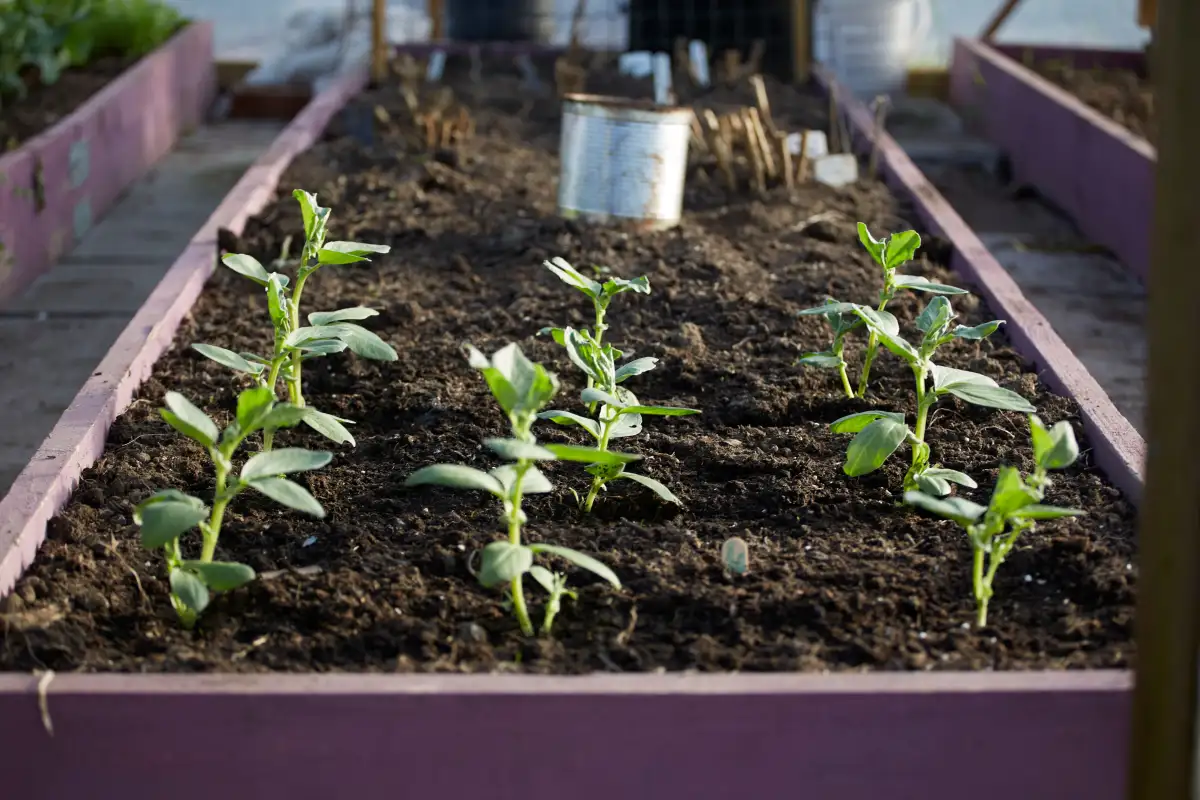
Three feet away, against the same wall, my raised bed had soil I could push a finger into. Same plants, same cold, same wall. The difference was what was underneath them.
The pot is all surface, and surface is where heat leaves
In the ground, a root system sits inside an enormous mass of soil that has to be chilled before the roots can be. Soil conducts heat poorly, so a cold snap has to work for days to push the freezing line down more than a few inches. Roots are also insulated from the air by the soil above them and warmed from below by ground that, across most of the country, never freezes deeper than a couple of feet.
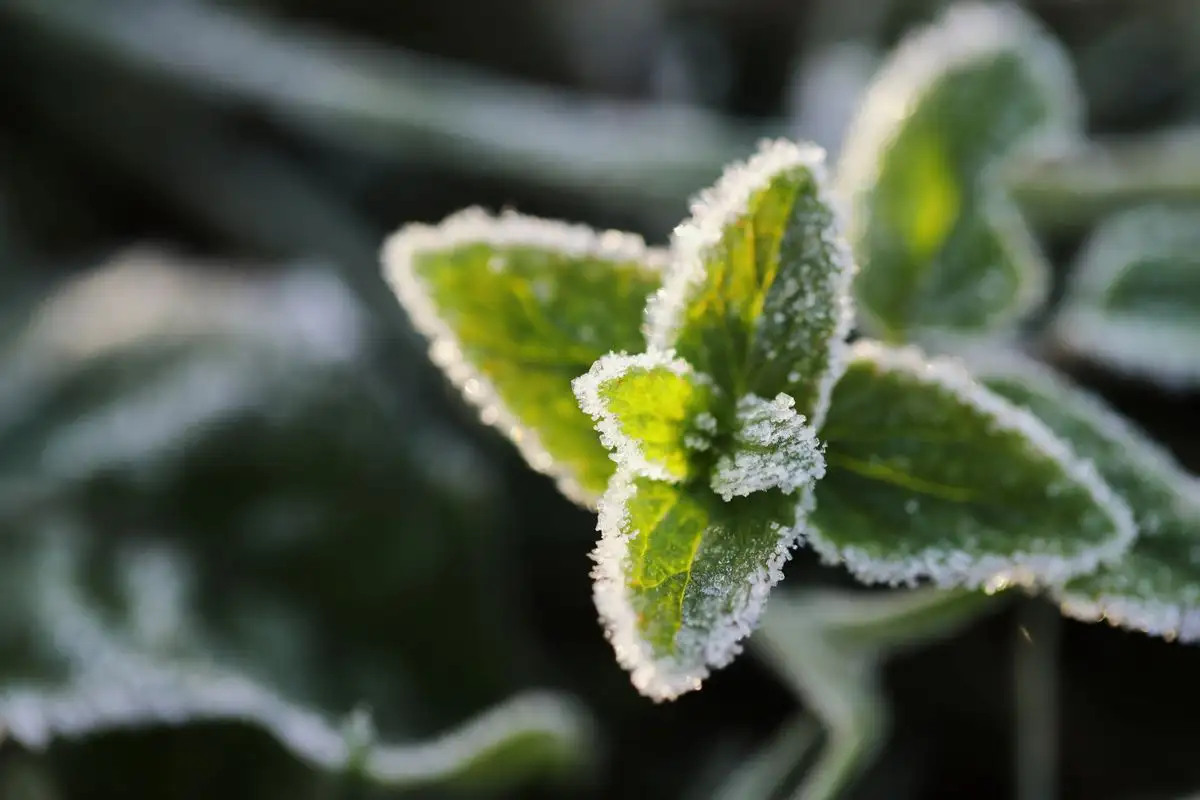
A pot has none of that. Every side of a container is a surface losing heat — some to the air moving past it, some by conduction into whatever the pot is sitting on, some by radiation to a clear night sky. On a still, clear night a pot can actually run a few degrees colder than the air around it, which is why you can find frost on a pot rim when the thermometer on the wall reads above freezing. Wind makes it worse by scouring away the thin layer of warmed air that clings to any surface. On a balcony, with the building funneling wind along the railing, that layer never gets much of a chance to form.
That is the mechanical reason behind the rule of thumb: extension guidance rates container root hardiness at roughly one to two zones colder than the same plant in the ground. A root ball in a pot can freeze solid while the soil in the bed beside it stays above freezing, and the top of the plant will look completely normal the entire time it is happening.
Soil volume is the thermostat you actually control
If you remember one thing, remember that pot size is a hardiness decision, not a convenience decision.
A small pot has almost no thermal inertia. It tracks air temperature within a couple of hours; five gallons of soil in January is basically a bucket of whatever the weather is doing. A fifteen-gallon pot takes far longer to chill, and it holds more water. That matters more than most people realize. As long as some of the water in the root ball is still turning to ice, the temperature inside the pot is pinned near 32 degrees, and the heat released by that phase change holds the freezing front back. A large, barely-moist pot buys you hours. A small pot buys you nothing.
Which is why the same rosemary that shrugs off a cold snap in a large container can be dead in a small one sitting right beside it. It is not a difference in the plant. It is a difference in how much water and soil there is to freeze before the cold reaches the roots.
There is a tradeoff here, and I will be straight about it. Going into winter, container soil should be damp, not soaked. Soggy soil in a cold pot invites rot, and the phase-change benefit only helps if the pot still drains. I water containers well before the first hard freeze, then leave them alone unless we go weeks without precipitation. A frozen block of saturated soil sitting in a pot with a blocked drainage hole is a plant that drowns in February.
Placement on the balcony is half the protection
The wall is doing more work than most people give it credit for, and it is free. A south- or west-facing wall absorbs solar gain all day and releases it at night. On my balcony, the difference between a pot tight against the brick and the same pot out at the railing is enough to change the outcome of a cold night. Group your overwintering pots together in that corner. Clustered pots insulate each other, and the group has less exposed surface per plant than the same pots standing alone.
Get them off the slab. Concrete and tile balconies conduct heat straight out of the bottom of a pot. A scrap of rigid foam insulation or a couple of boards underneath breaks that path. It is an unglamorous fix and one of the most effective ones.
Then block the wind. A windbreak — even a piece of plywood on the windward side, or a ring of straw bales if you have the room — keeps the warm boundary layer around the pots where it belongs. Do not wrap pots in plastic and seal them. You want to block wind, not trap moisture against the crowns. I drape a breathable row-cover fabric over the cluster on the worst nights and pull it off the next morning.
And if you have the option, lift the whole cluster into an unheated garage or shed. The building's stored heat keeps that space several degrees above outdoor air, and there is no wind in there. The catch is light and temperature swings. A garage is dark, and a sunny day can warm it more than you would expect. Fully dormant plants tolerate the dark fine for a few weeks. Anything still growing will stretch and etiolate and suffer for it.
Which plants this actually applies to
Here is the part that trips up container gardeners who just moved out of raised beds: for warm-season vegetables, the zone discussion is mostly beside the point.
Tomatoes, peppers, basil, cucumbers, zucchini — in a container, these are annuals. They are done at first frost regardless of zone, so the two-zone rule never applies to them. Their container problem runs in the opposite direction.
The zone math only matters for plants you intend to keep over. Culinary herbs like thyme, sage, rosemary, oregano, and mint. Hardy greens like kale and chard. Perennial onions and sorrel. Those are the pots I think about in October, and those are the ones where a container runs one to two zones colder than the label claims.
One more case worth naming: if you are overwintering a pepper plant or a rosemary indoors, the zone rating is meaningless there too. Indoors, the question is whether the plant tolerates the light and dry air of a windowsill, not whether it survives a Zone 6 winter.
The summer half of the same problem
The same thin, exposed soil volume that loses heat fast in January gains it fast in July. A container's root zone can run much hotter than a bed at the same air temperature, especially a dark pot in afternoon sun on a balcony with concrete radiating back at it. The zone map tells you nothing about that.
So irrigation timing in containers is set by the pot, not by the zone. In peak summer I check containers by weight rather than by the surface, because a pot can be light and dry at the roots while the top inch still looks fine. I water in the early morning so the plant has moisture going into the hot hours, and I expect to water twice on the worst days. Mulching the surface of a container cuts evaporation in summer and does double duty as insulation over the root ball in winter.
It is the same lesson in both seasons. A container is a small, exposed thermal system with almost no buffer, and the number printed on the plant tag describes a completely different set of conditions. Once you start treating pot size, placement, and surface as the controls, the plants stop surprising you. I still keep a thermometer on the balcony wall. I just do not trust it to tell me what is happening six inches down inside the pot.