Succession planting in a balcony pot is a rolling replacement system, not a sowing schedule. A finished crop comes out, that same pot gets cleared and reset, and a new crop goes in — ideally the same week — and the decision about what goes in next is made before the first seed of the season is planted. Staggered sowing will not do this for you. Neither will relay planting. Replacement is the thing that keeps a small garden producing without gaps.
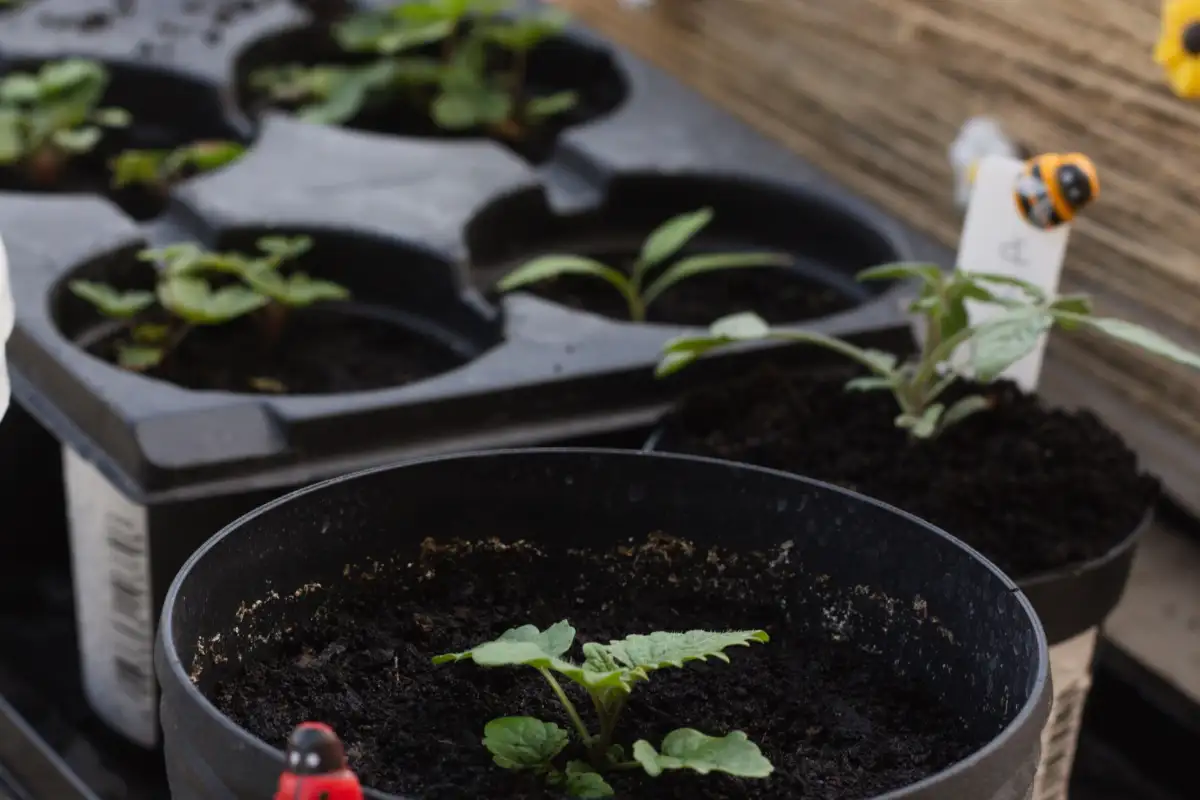
I garden on a balcony with about eleven square feet of floor space and six hours of direct summer sun. Six of my pots hold roughly five gallons; the other three are smaller. Everything I actually know about succession planting came from watching one pot sit empty.
It was the end of July. The lettuce in that pot had bolted into a tall bitter stalk, so I pulled it, and the root ball came out in my hand as a single solid disc of white roots, exactly the shape of the pot. I stood there holding it and realized I had nothing to put back. That pot stayed empty for two and a half weeks while I decided what I wanted, found the seed, and waited for it to germinate. Two and a half weeks of a five-gallon pot in full sun. That is the entire case for planning backwards.
Staggered, relay, replacement — three different jobs
Staggered sowing means the same crop sown on a rolling interval, say a few lettuce seeds every ten days, so that when one planting starts to turn bitter you have another one coming. It gives you a steady supply of one thing. It does not restore a pot, because every one of those sowings is running at the same time, shoulder to shoulder, each occupying its own space. On a balcony that is expensive. If I staggered lettuce across all six of my big pots, all six would be full of lettuce through spring and there would be nowhere for the beans.
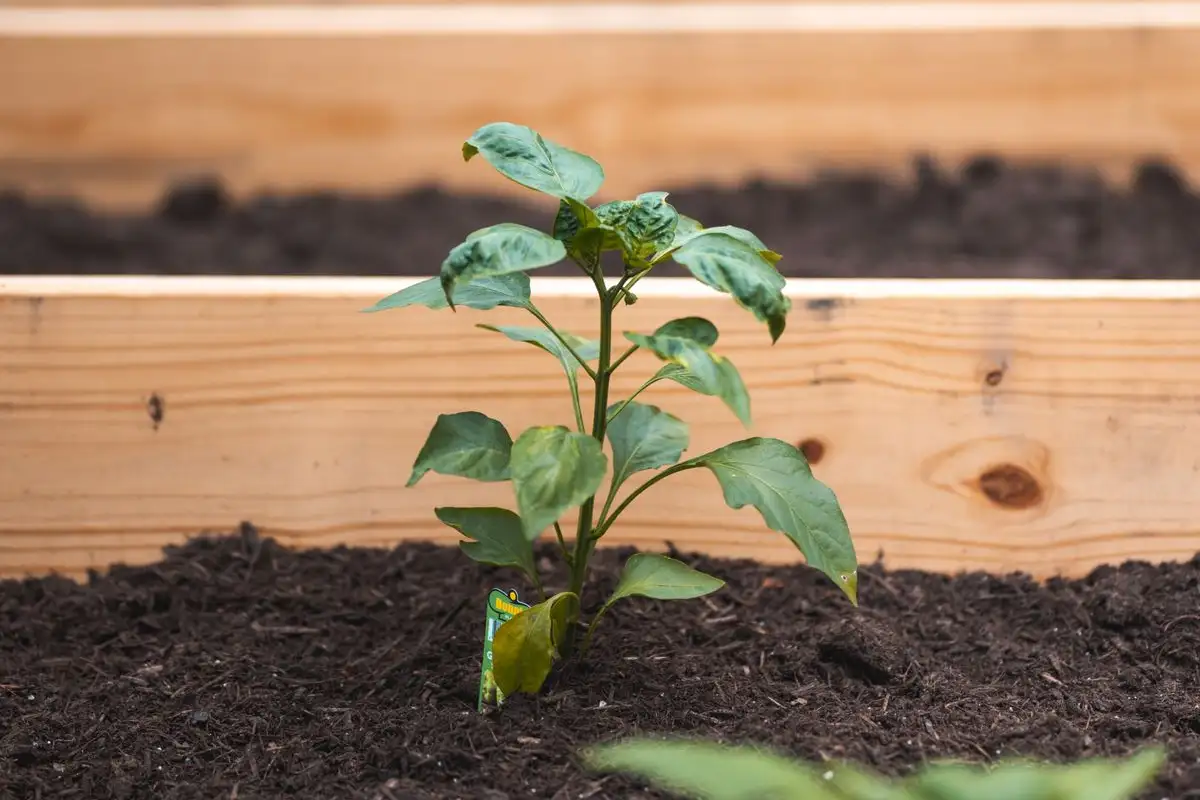
Relay planting means putting a fast crop into space a slow crop has not filled yet — radishes scattered around the base of a young pepper plant in May, pulled before the pepper canopy closes over them. It is a space-sharing trick, and on a narrow balcony it is the most reliable way to get anything out of a pot that is already spoken for. But relay does not reset anything. When the pepper finally quits in October, that pot is still the pepper's pot.
Crop replacement is the one that matters in containers. The pepper comes out, the roots and most of the old mix get dealt with, and fall kale or spinach goes into that same volume the same afternoon. Staggering and relay are techniques you run inside a replacement system. They are not the system.
Why a pot cannot wait the way a garden bed can
In a bed, an empty patch is a pause. The soil is still there, the biology is still working, and three fallow weeks cost you three weeks of one crop. In a container, an empty pot is a dead asset, because the scarce resource is not sunlight or floor space — it is volume. Every pot is a fixed root zone, maybe three or five gallons, and nothing else in your garden can substitute for it.
Container mix also does not sit still. Left empty through a hot month it dries hard, pulls away from the sides of the pot, and the perlite works its way upward while the organic fraction compacts. By the time you come back to it you are not planting into the same medium you had in June. You are rebuilding it. So the empty pot is losing value the whole time it waits, and that is the difference between a container and a bed.
The loop: clear, restore, sow
I do this in the same order every time, and the order matters.
Clear. Pull, do not cut. Cutting the stem at the soil line leaves a living root system in the pot, and in a container that root mass is a large share of the total volume — it will rot, it will host whatever was feeding on the plant, and it will physically block the next crop. So tip the pot on its side, work the root ball out whole, and knock the mix off the roots with your hands or the back of a trowel. Chop out any thick taproot. If the plant was diseased — wilting, blackened at the base, obvious rot — that mix goes in the trash, not the compost and not back in the pot. That is the one time I throw medium away.
Restore. Roughly two thirds of the old mix can go back. What it lost is structure and nitrogen. I break up the clumps by hand, add about a third fresh mix by volume, work in a couple of handfuls of compost, and scratch a slow-release organic fertilizer into the top inch. If the previous crop lived in that pot for four or five months, the mix will have compacted into something closer to a brick, and it needs to be broken apart before anything goes back in. This is also where I check family: I do not follow a brassica with another brassica in the same mix. Container rotation is not the disease-control tool it is in a field, but it is free, and replanting the same family into the same exhausted volume is asking for trouble.
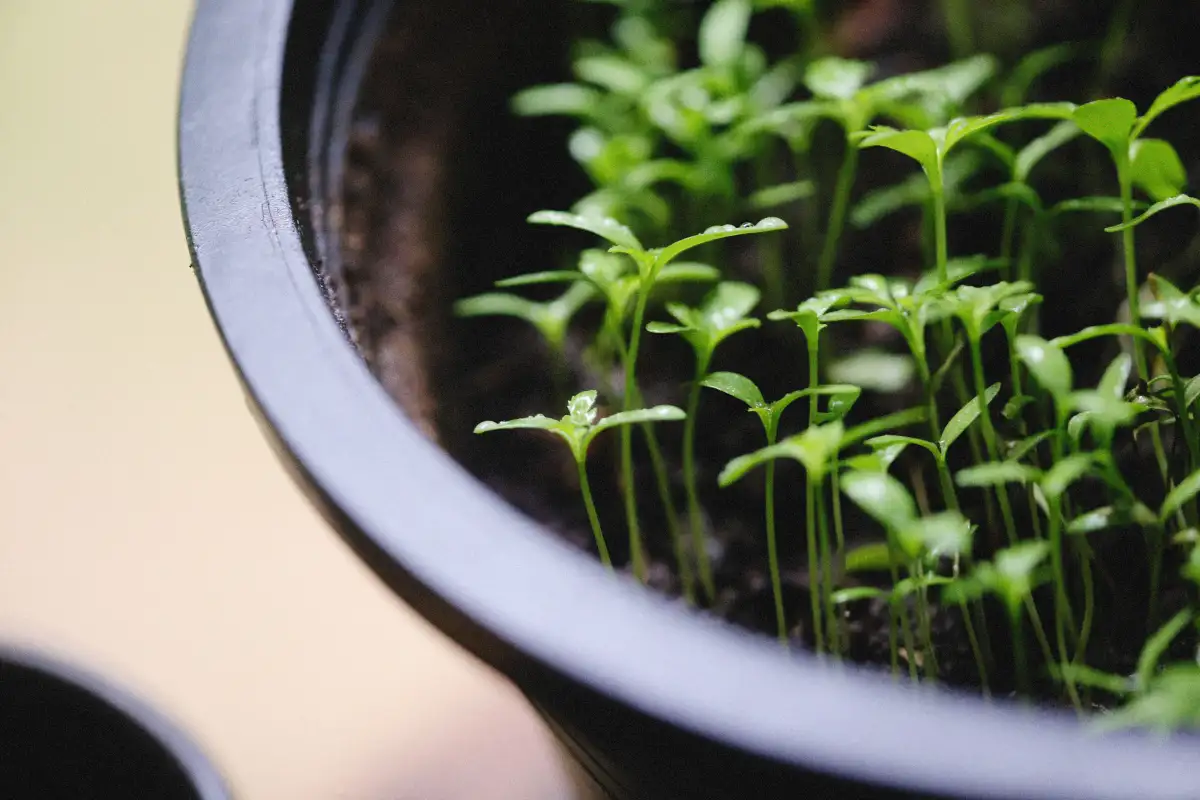
Sow. Direct sow root crops and fast leaf crops — radish, arugula, leaf lettuce, mustard, turnip for greens. Transplant anything you want a head start on, which is most brassicas and anything you plan to cut repeatedly. And the whole point: the next crop should already be decided, and usually already growing somewhere else, before the pot opens.
The log is not optional, and it does not need to be fancy
Here is the part most people skip, and it is the part that makes the rest work. Succession planning happens before the first planting, not after a crop is finished. If you are standing over a spent plant trying to decide what comes next, you have already lost the gap.
What I keep is one page in a notebook, one line per pot. Five columns: pot number, sow date, crop, days to maturity from the seed packet, and next crop. It looks roughly like this.
- Pot 3 | sown Apr 8 | arugula | 30-40 days | pull by mid-May | next: bush bean
- Pot 6 | sown Apr 8 | romaine | 55-65 days | pull early June | next: basil (transplant started May 10)
The maturity range on a packet is a guess, and my actual pull date is wrong maybe half the time. That does not matter. What matters is that I have a date in the column, so a pot can never quietly slip past its window without me noticing, and that the last column is never blank. A blank "next crop" is the hazard. That is the pot that sits empty for three weeks.
The other thing the log does is count slots. I have nine pots, so I have nine slots. I try never to have more than two of them finishing at the same time with no named successor and no seedling coming along. That single rule has done more for my harvest than any variety choice.
There is a lead time problem hiding in here too. Lettuce and kale transplants need roughly three to four weeks on a windowsill; brassicas a little longer. If I want to sow into the pot the day the old crop comes out, that seed had to go into a tray three or four weeks earlier. On a balcony, tray space competes with pot space, so starting trays live on a shelf by the window, or on top of a pot that is not in use yet.
Crops that carry a rotation versus crops that hold a pot
Rotation crops are fast, shallow rooted, and content in a three- to five-gallon pot. They can be out in thirty to sixty days: leaf lettuce, arugula, mizuna, spinach in cool weather only, radishes, baby kale, bok choy, mustard greens, turnip greens, cilantro, dill, bush beans, peas in cool weather, green onions from sets.
Holders take a pot for the whole season and give it back in October: tomatoes, peppers, eggplant, cucumbers, zucchini and other summer squash, melons, potatoes, the long-season brassicas like broccoli and cabbage, and any perennial herb.
This is where I have to be honest about what succession planting is for. If your dream balcony is a tomato in every pot, succession planting is not your tool — you are running a holder garden, and that is a legitimate way to grow. On my nine pots I run maybe three holders and six rotation slots, and the rotation is what feeds me from April to November. It depends entirely on whether you want a few big things or a continuous supply of small ones.
Late June through August is the hard gap. Lettuce and spinach bolt, and no amount of scheduling fixes that in a hot climate. I stop fighting it. Basil carries through, bush beans carry through, chard carries through — chard is the cheat, one plant cut repeatedly for months, which is not succession at all but reduces how many slots I have to keep turning. Radishes go into the pots that get afternoon shade. A second round of quick greens starts again in September, and that fall round is often better than the spring one.
Where this breaks down
It breaks if you do not eat that much salad. Nine pots turning through leaf crops can outrun a two-person household by June, and food you cannot eat is not a harvest.
It breaks if your light is limited. A north-facing or heavily shaded balcony will not support a thirty-day turnaround. Cool-season leaf crops want four to six hours of direct sun; fruiting crops want six or more. If you have three, the loop slows to a crawl and you are better off with fewer, longer-lived plants.
It breaks in winter. Outdoors in most of the country the loop simply stops, and a windowsill in low winter light is a starting space, not a growing space. Do not ask it to be one.
And it costs something. Roughly a third of the mix per pot per cycle, plus fertilizer, plus seed. That is the price of never having an empty pot, and it is a real one.
The whole idea reduces to one sentence: the pot is the unit of production, and every day it sits empty it is producing nothing. Plan the next crop before you plant the current one, and the gaps close themselves.