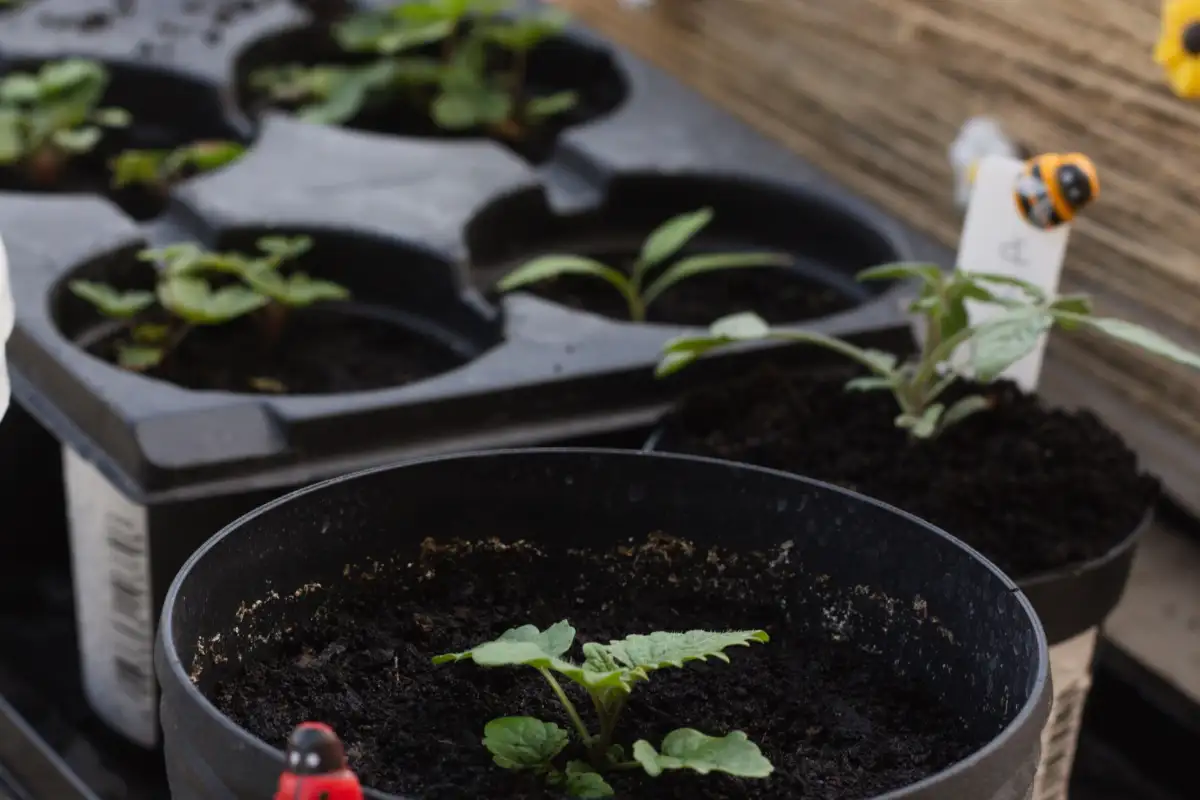
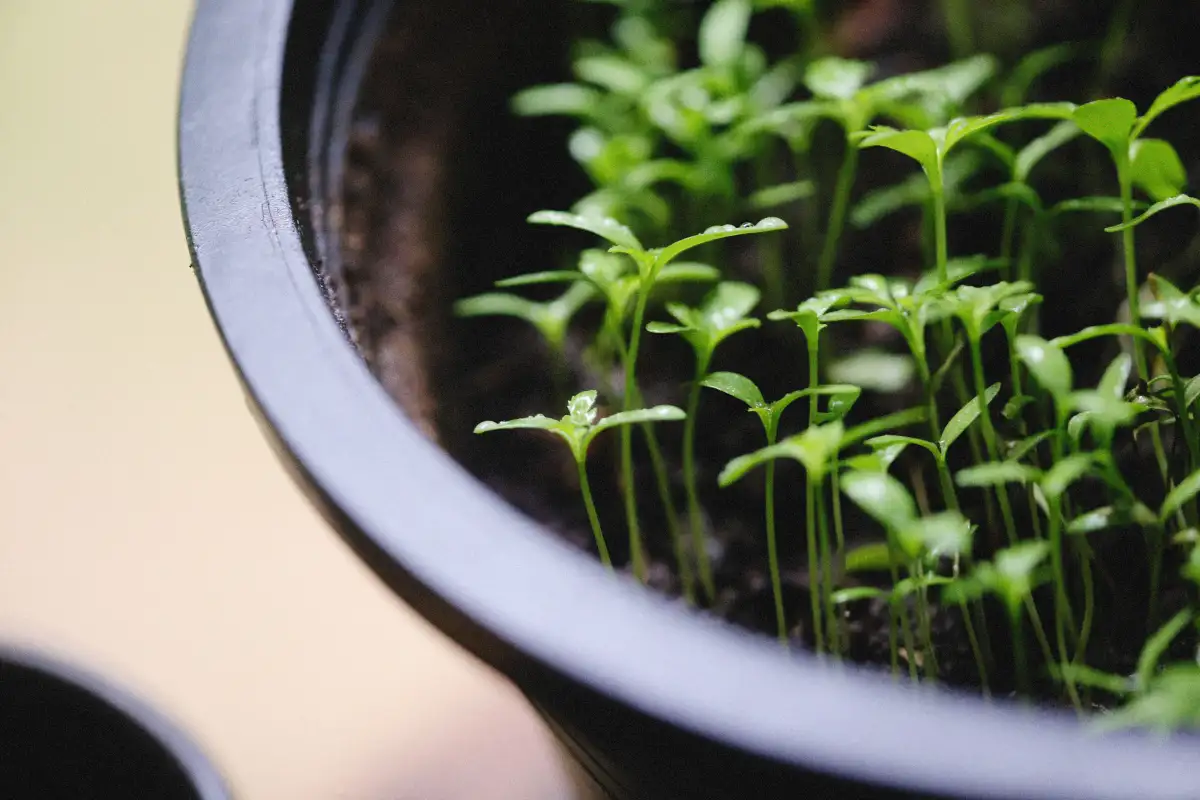
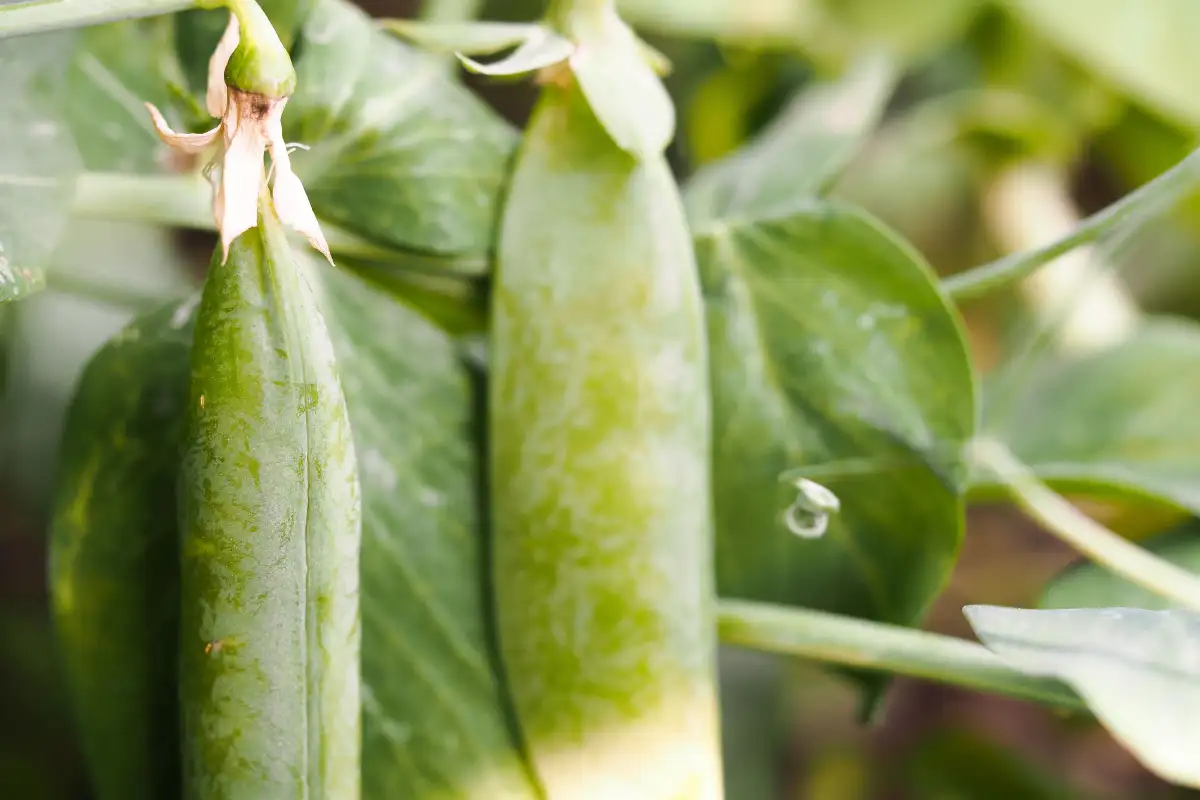
To time your next sowing, work backward from frost instead of forward through a calendar. Get the average last spring frost and first fall frost for the weather station nearest your garden, subtract the crop's days to maturity plus a buffer, and let that date — not the month name — decide the slot. Then check whether the crop has to finish before frost or can ride through a light one, and the same subtraction places a spring crop, a summer crop, and a fall crop in one bed.
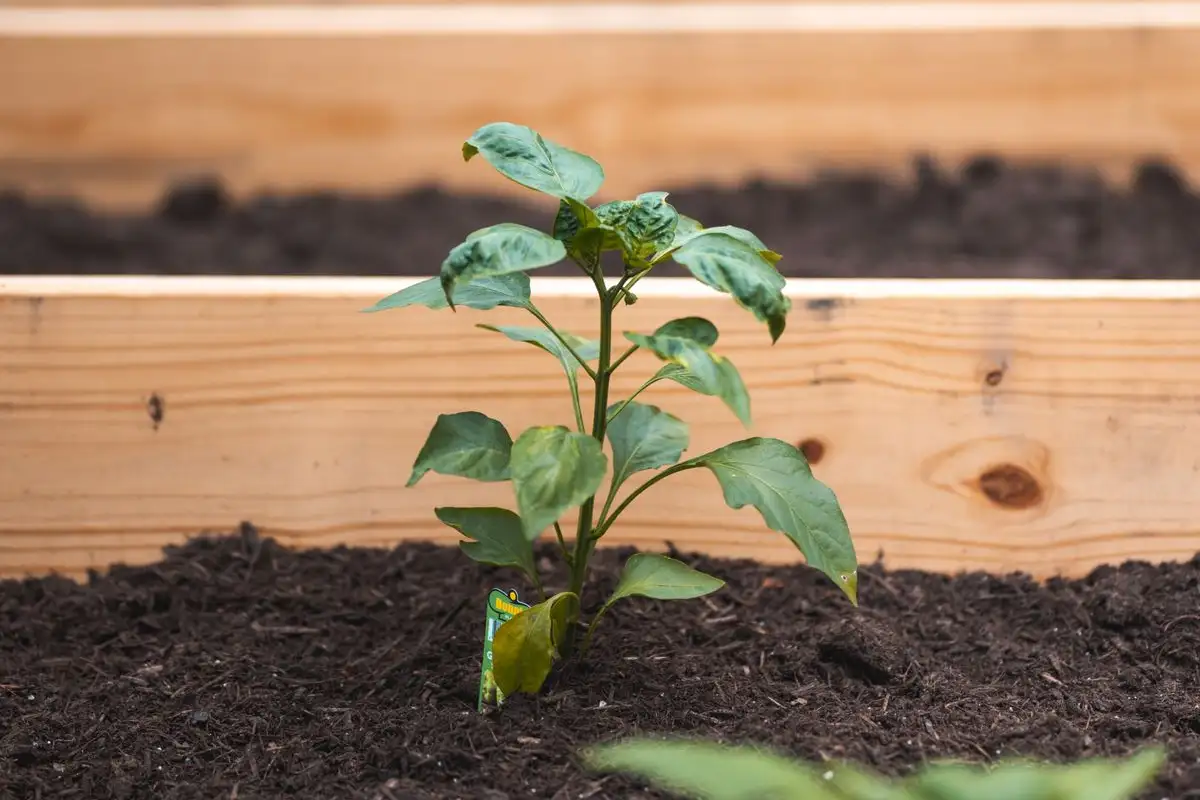
The version of this I run into every year lands in the last week of July. The pea trellis is down, there is a bare rectangle of soil in front of me, and I am standing there with a packet of bush beans that says 55 days. Whether those beans go in today is not a hunch. Fifty-five days, plus a week of slack for the way late-summer growth drags, puts the finish in the second week of October. If my first frost date sits in mid-October, that is tight but workable — I would rather sow and throw cover over the bed on cold nights than leave good soil empty. If it sits at the start of October, the beans stay in the packet and spinach goes in instead, because spinach does not care.
That is the whole method, and it beats a month-by-month chart for one reason: it survives a weird year. A chart tells you to sow lettuce in April. The subtraction tells you the last date lettuce can go in and still be cut before the heat takes it.
Your Zone Number Is Not a Frost Date
The USDA Plant Hardiness Zone Map is built from average annual extreme minimum winter temperatures over a 30-year period, and that is all the number means. Two gardens in the same zone — the same 6a, the same 7b — can be three weeks apart on their last spring frost. Zone is a winter survival rating. It is not a planting schedule, and it will not give you a frost date no matter how long you stare at it.
Frost dates come from somewhere else. NOAA's freeze and frost data, and the frost-free date tables published by your state's cooperative extension, give 50 percent and 90 percent dates for individual stations. The 50 percent date is the one where, historically, half of all years had a frost after it. The 90 percent date is the conservative one. I plan against the 50 percent date and keep the 90 percent date in the back of my head, because designing everything around the safe date costs a month of season in a lot of places. The tradeoff is real and worth saying out loud: plant to the 50 percent date and you will lose a planting to frost in roughly half your years. Row cover and a willingness to replant are what pay for that risk.
One more thing about choosing the station. An urban garden runs warmer than the airport that most published tables come from — pavement and brick hold heat overnight. Pick the station closest to you that is most similar in how built-up it is, then treat any consistent two-week offset you notice as a site correction applied on top. The base date still comes from the data, not from a guess.
Counting Back Is Subtraction You Do Four Times
For each slot, I add up the same stack of numbers: days to maturity, germination time if I am direct sowing, and a buffer.
Days to maturity is the number people misread. On a tomato or pepper packet it is counted from transplant, not from the day the seed goes into a tray indoors. On a bean, carrot, radish, or corn packet it is counted from sowing. Get that wrong and you are off by six weeks without noticing, because the plants still grow. They simply ripen after the frost.
So the stack for a transplant crop is days to maturity plus six to eight weeks of indoor growing plus about a week of hardening off, subtracted from the target planting-out date. For a direct-sown crop it is days to maturity plus five to ten days for germination, plus a ten to fourteen day buffer if the finish lands anywhere near a frost line.
An example with round numbers. Say the last spring frost is around May 5. Tomatoes want soil at about 60F, which usually shows up a couple of weeks later, so transplant near May 20. A 75-day tomato from that transplant date ripens in early August. That sounds fine until you remember that fruit set stalls when nights stay in the mid-70s, so flowers opening in July can drop without setting anything. That is not a frost problem, it is a heat problem, and it means the indoor start date matters as much as the finish date. Seed started in late March puts out transplants that flower before the worst of the heat.
Frost Tolerance Decides Which Direction You Count
Hardy crops — kale, collards, spinach, cabbage, broccoli, most peas, carrots, onions, garlic — take a hard frost in the mid-to-high 20s and often taste better for it. They can be direct-sown four to six weeks before the last frost.
Half-hardy crops — lettuce, chard, beets, potatoes, cauliflower — handle a light frost near 30F but not a hard one. Two to four weeks before the last frost.
Tender crops — tomatoes, peppers, basil, cucumbers, squash, beans, corn — are damaged or killed at 32F and sulk below 45F. They go in after the last frost, once the soil has warmed, not on the frost date itself.
What matters for scheduling is the other end of the season. Anything tender has to finish before the first fall frost, so count back strictly and do not argue with the number. Anything hardy can be planned to finish after it, which means the fall season is weeks longer than the first frost date suggests. That is the biggest lever people leave untouched. They stop sowing in August because frost is coming, when the bed in front of them could hold spinach, mache, carrots, and kale straight through it.
One Bed, Three Crops, All Placed by Frost Math
Take a 4x4 bed, a last frost around May 5, and a first frost in mid-October — close to 160 days between them. That is three slots.
Spring goes in about five weeks before the last frost, near the end of March in this example: peas down the middle, a band of lettuce and radishes on one side. Hardy and half-hardy, no cover needed in most years.
The peas come out in late June, and that slot gets bush beans or cucumbers direct-sown in the first week of July. Beans at 55 days finish in mid-September with room to spare. If you would rather have tomatoes, that slot starts earlier — transplant in the third week of May and keep the lettuce to the edges, cutting it before the tomato canopy closes over it.
Then the summer crop comes out and the fall sowing goes in with ten to twelve weeks left before the first frost for anything that has to size up — turnips, beets, a quick broccoli — or four to six weeks for leaves you will cut young. Sowing a fruiting crop later than that is not optimism, it is just compost.
Notice which date actually drives the plan. It is not a frost date. It is the day the summer crop really comes out, which is almost always later than the packet promised. That is why the fall slot should be planned around the crop you know is slow to quit.
Leafy Waves Run on Intervals, Not Months
For fast crops, the unit is the interval rather than the month. Lettuce every ten to fourteen days. Spinach every seven to ten. Radishes and arugula the same. Cilantro every two to three weeks.
You can count the waves instead of guessing at them. Take the frost-free window, subtract the stretch in the middle when summer heat makes cool-season seed fail anyway, divide the rest by your interval, and that is roughly how many sowings fit. For a 160-day window with a twelve-day lettuce interval, the arithmetic says thirteen waves. Six or seven is realistic once you account for the midsummer gap and the fact that the last waves still need their days to maturity to fit before growth slows.
Here is the thing a fixed calendar hides: the wave schedule is not even. It runs from about four weeks before the last frost to three weeks after it, pauses through the hot stretch, and picks up again when nights start dropping, roughly eight to ten weeks before the first frost. Bolt-resistant varieties and 30 to 40 percent shade cloth stretch the shoulder waves, though shade slows growth too, so the days-to-maturity number on the packet gets a little optimistic under it.
Fall Is Not Spring Run Backward
By late August, day length is falling toward 13 hours and losing two or three minutes a day. That changes the math in a way no calendar shows you. Less light means less growth per day, and cooler soil slows germination and root expansion. A 50-day crop in May is not a 50-day crop in September.
My working adjustment — and it is a rule of thumb, not a measurement — is to add ten to fourteen days to the days to maturity for anything sown after mid-July that has to reach a harvestable size. Some crops are exempt. Spinach and mache grow well in short, cool days, and a hardy green that has been through a few light frosts acclimates and then takes harder cold than one that has not. That is why late-sown kale can look small in November and still be standing in January.
Heat Is the Anchor Nobody Writes Down
There is a second counting-back anchor that frost-date guides skip, and it is the one that ruins spring plantings. It is the date the heat arrives.
Lettuce germination drops off once soil passes about 80F. Spinach gives up around 70F. And once lettuce, cilantro, or a radish bolts, it does not un-bolt — the leaves turn bitter and the slot is gone.
So for cool-season spring crops, count back from heat onset rather than from the last frost. If average highs cross 80F in your area about three weeks after the last frost, then lettuce needing 50 days has to be in the ground roughly seven weeks before the last frost to be cut in time. That means sowing while the soil is still cold, under cover if necessary. It is an uncomfortable date and it is the correct one. The alternative is to accept the gap and fill it with chard, New Zealand spinach, or sweet potato leaves, which do not care about heat. In fall the same principle runs in reverse: lettuce sown into 90F soil in mid-August fails, so either wait for the soil to cool or start it in trays in the shade and transplant it out.
What Goes on the Card
Four dates, written on a card taped inside the shed door: average last frost, average first frost, the heat onset, and the day the bed frees up. Everything else is subtraction.
It is not precise. These are averages, and the actual weather is closer to a coin flip than a promise. But it is the difference between a plan that adjusts when the year goes sideways and a calendar that lies to you in a confident voice.