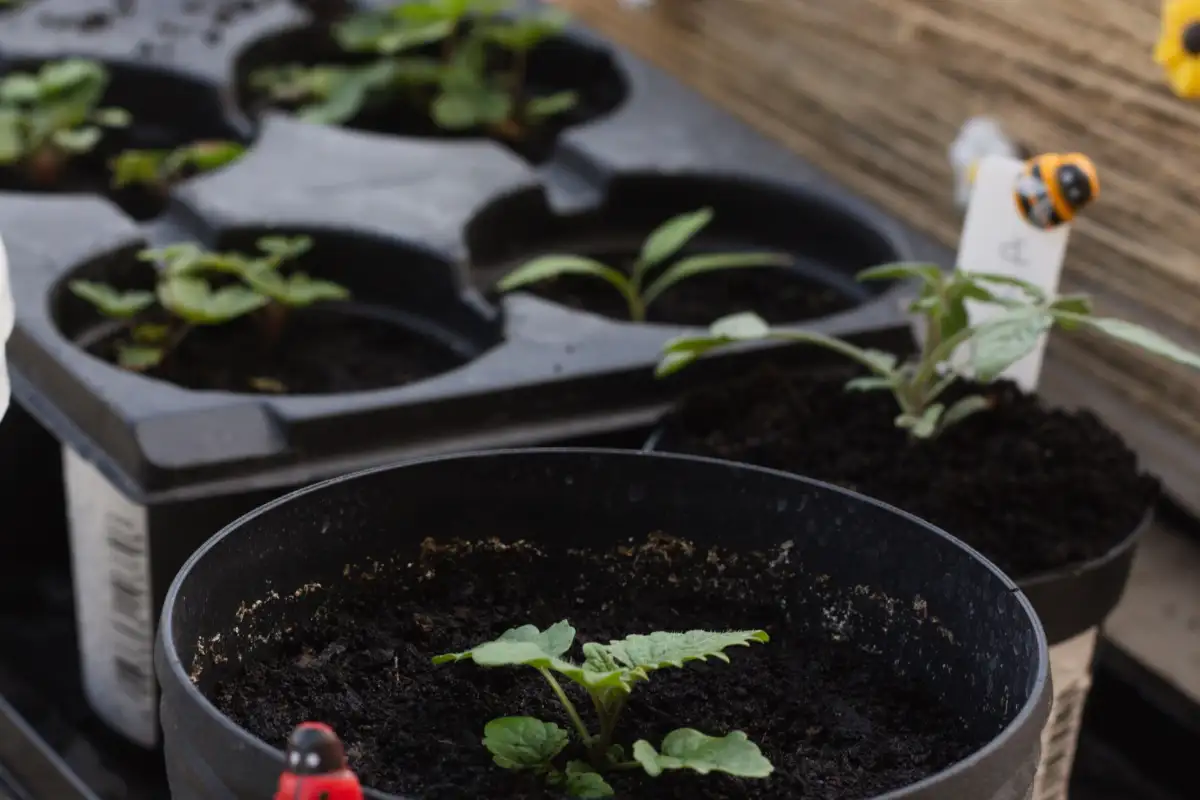
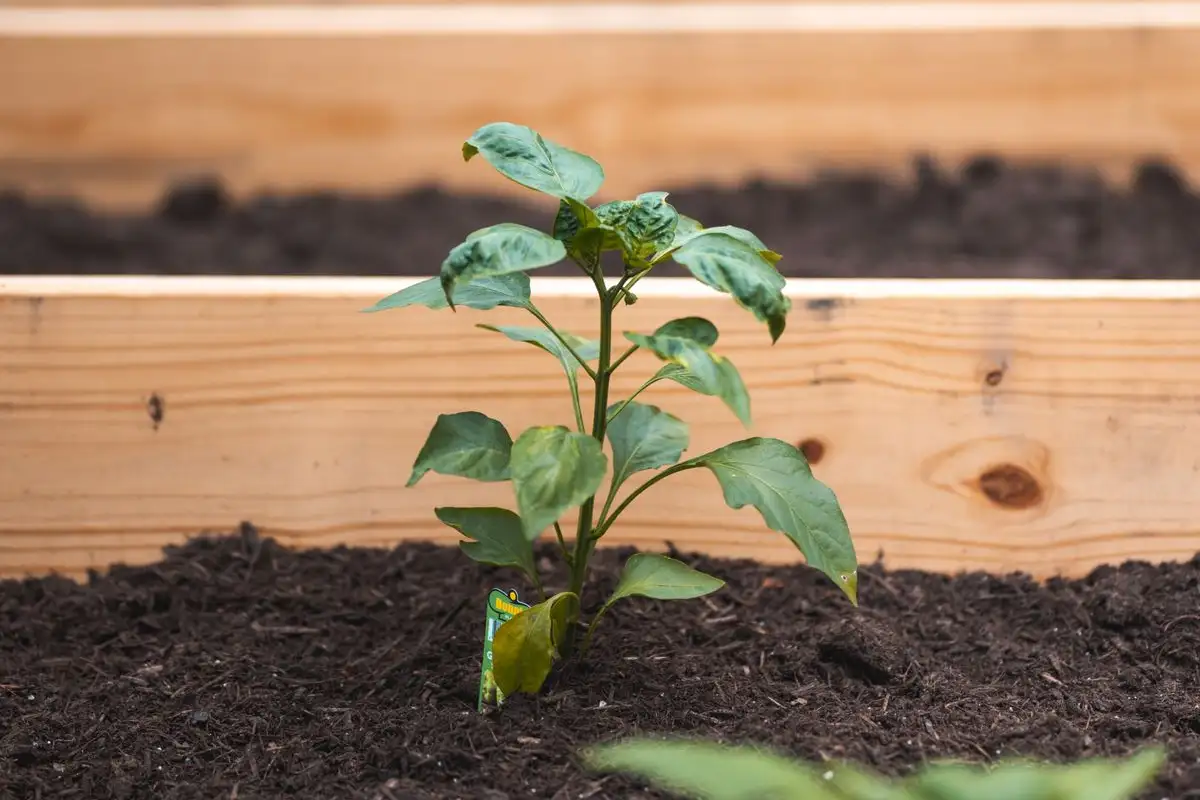
Don't replace container soil between crops. Instead, remove the spent root mass, loosen the remaining mix, top-dress with 1 to 2 inches of finished compost, and add a balanced organic fertilizer only if a soil test or the feeding needs of the next crop call for it. This is the step between crops that keeps a small root zone from becoming a depleted, compacted zone, and it works in both containers and raised beds.
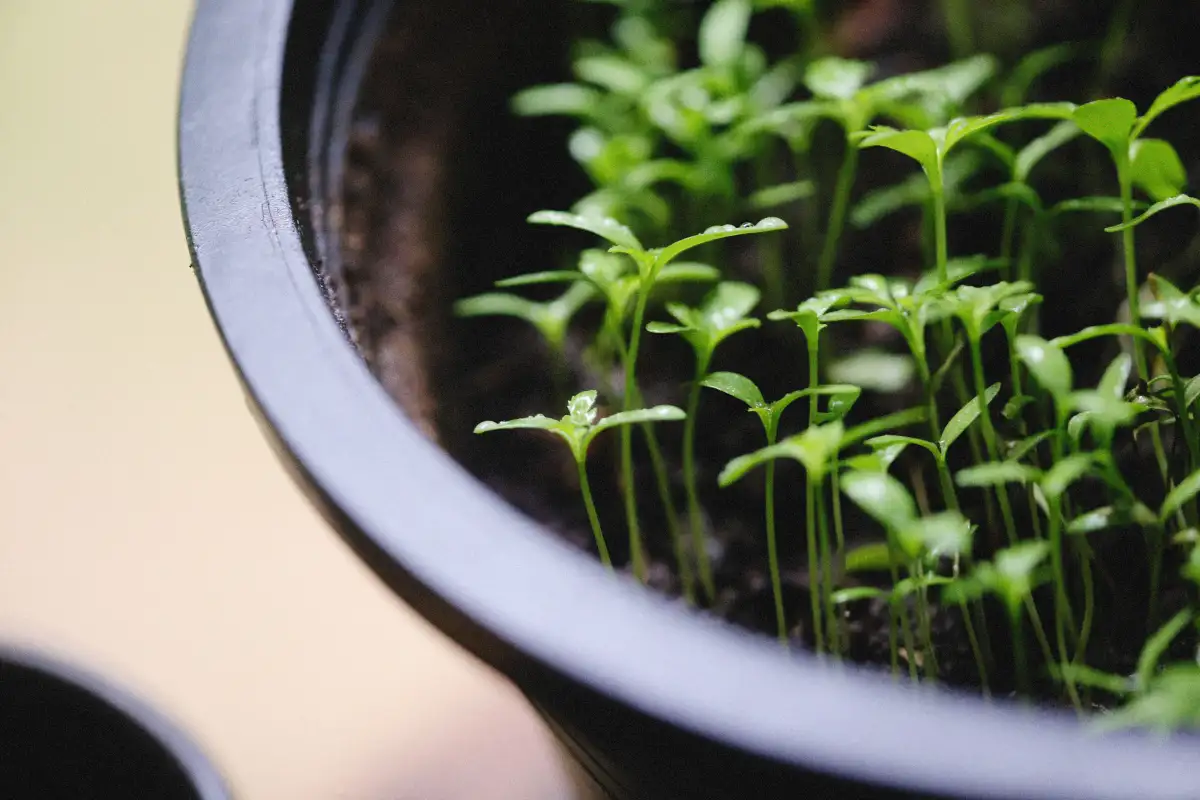
I keep my containers and raised beds going for years by treating the gap between one crop and the next as a mini soil rebuild, not a soil replacement. On a city balcony or tiny backyard, that distinction matters. A 10-gallon pot or a 6-inch-deep raised bed has a tiny root zone compared with open ground. There is no subsoil below, no deep mineral weathering, no earthworm traffic moving up from underneath. Every crop pulls nitrogen, phosphorus, potassium, and organic matter out of that limited volume. Frequent summer watering, which city gardens in hot weather demand, leaches soluble nutrients out the drainage holes. The organic matter in the mix—compost, coconut coir, or leaf mold—keeps breaking down and collapsing as microbes feed on it. If I just pull the old plant and tuck in a seedling, I am planting into a mix that is physically tighter, biologically thinner, and chemically lower than it was when the previous crop went in.
The between-crop reset I actually use
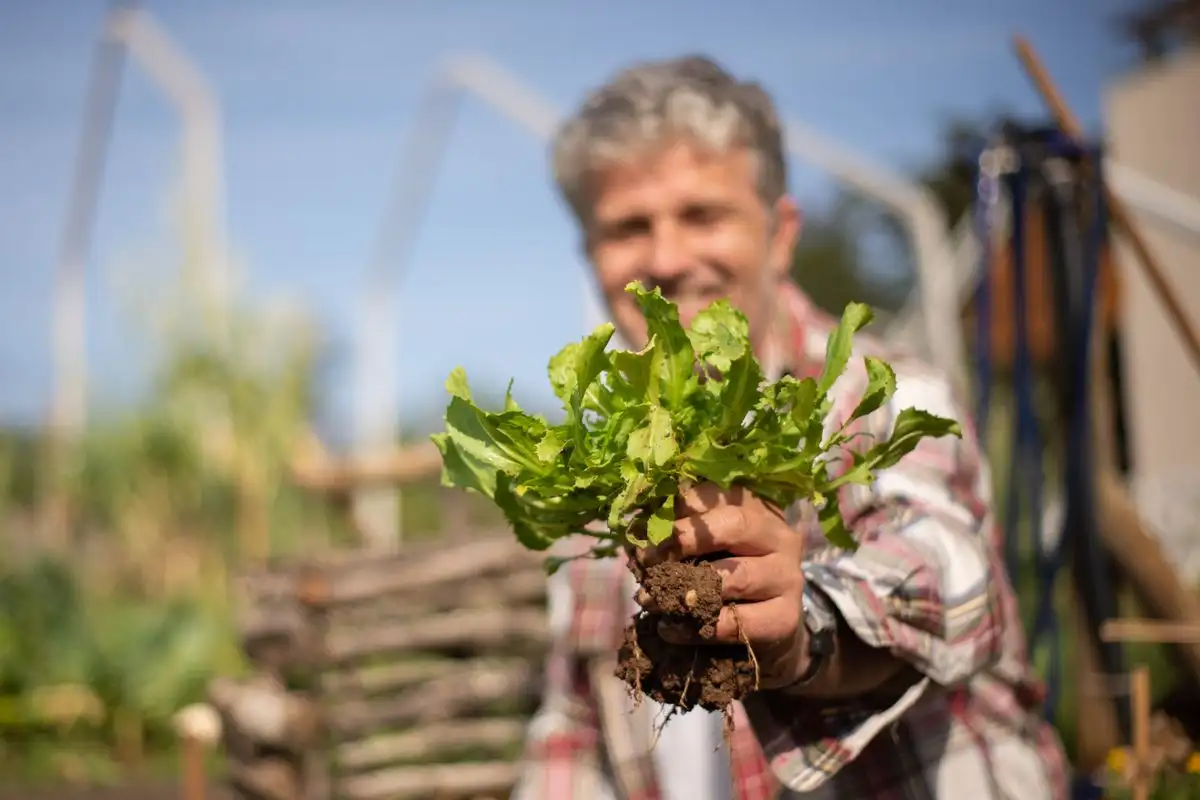
I start by removing the old plant completely. I cut the stem at the soil line or twist out the root crown, then shake the loose mix back into the container. The root ball goes to the compost pile. If the roots are so dense they hold the whole root mass together, I dump the container onto a tarp and work the root ball apart with my hands or a hand fork. I pull out the thick roots and return the soil to the pot. That root-bound condition is common after tomatoes, peppers, or cucumbers in 5- to 10-gallon containers. Leaving dead roots in place slows water movement, invites fungal breakdown where the next crop's roots need air, and creates anaerobic pockets.
Once the roots are out, I loosen the top 4 to 6 inches of mix. In a raised bed, a hand fork or three-tine cultivator works well; in a container, my fingers or a small hand fork are enough. I do not till the full depth if the lower mix still has structure. Overworking wet mix destroys what little aggregation there is. The goal is to break crusted surfaces and root-bound clods, not turn the pot into powder.
At that point I add 1 to 2 inches of finished compost across the surface. By finished compost I mean dark, crumbly, earthy-smelling compost with no recognizable food scraps. For a 12-inch-deep raised bed, two inches is about right. For a shallow 6-inch herb or lettuce container, one inch is enough. I rake it into the top inch or two. If the old mix has slumped several inches below the rim, I use the compost to bring the level back up. Finished compost does two things at once: it replaces organic matter the previous crop consumed, and it re-inoculates the root zone with microbes that help make nutrients available to the next crop. It is not a quick-release fertilizer. I treat it as the structural and biological repair.
Compost alone will not always meet the available-nutrient demand of a heavy feeder planted right behind another heavy feeder. This is where a balanced organic fertilizer comes in. I keep the two separate in my head: compost feeds the soil, fertilizer feeds the crop. A balanced organic fertilizer, such as one with roughly equal numbers like 5-5-5 or 4-4-4, supplies nitrogen, phosphorus, and potassium in forms that become plant-available as soil microbes process them. Because container volume is small, I never guess at this step. I use a simple soil test first.
A basic home test kit will give pH and the main nutrients, but I prefer sending a small sample to my state extension soil lab at least once a season if I am reusing the same mix repeatedly. For between-crop checks, a simple test before re-amending tells me whether the previous fertilizer still has residual nitrogen and phosphorus sitting in the mix. In containers, unused fertilizer salts do not always wash out completely, especially if I watered just enough to keep plants alive. Adding more fertilizer on top of that residue can burn the next crop's roots and make the mix salty enough to pull moisture away from seedlings. Over-fertilizing a limited soil volume is a fast way to fail. If the test shows adequate or high phosphorus and potassium, I add only compost and skip fertilizer. If nitrogen is low, I add a small amount of balanced organic fertilizer according to the product's rate for containers, not the garden-bed rate.
Compost and fertilizer are not the same thing
I make this distinction because almost every reused container mix I have seen fail was overfed with fertilizer and underfed with organic matter. Finished compost improves water-holding capacity, aeration, and microbial life. It slowly releases some nutrients, but it is not a reliable immediate source for a fast-growing crop like cucumbers. A balanced organic fertilizer supplies nitrogen, phosphorus, and potassium in a form the next crop can use within days to weeks, assuming soil microbes are active. If you skip compost, the mix gets dense and lifeless. If you skip fertilizer when the soil test says nutrients are low, the next crop stalls. If you add both blindly, you can tip a small container into salt stress. They are two different tools.
When I do not reuse the soil immediately
There are times when the right move is to hold that mix out of rotation. If the previous plant died with root rot, stem lesions at the soil line, wilt that progressed while the mix stayed moist, or if I saw fluffy fungal growth on the surface, I do not replant into that container right away. I empty it, let the mix dry in full sun for a few days, and if the disease looked serious, I either solarize small batches in a clear plastic container or replace that mix entirely. Same with persistent pest larvae: fungus gnat larvae, root aphids, or fat white grubs chewing into roots. A soil test will not catch these. If I find them while breaking up the root ball, I stop and deal with the pest pressure before planting another crop. Reusing infested mix just hands the next crop the same problem.
Light feeders and heavy feeders
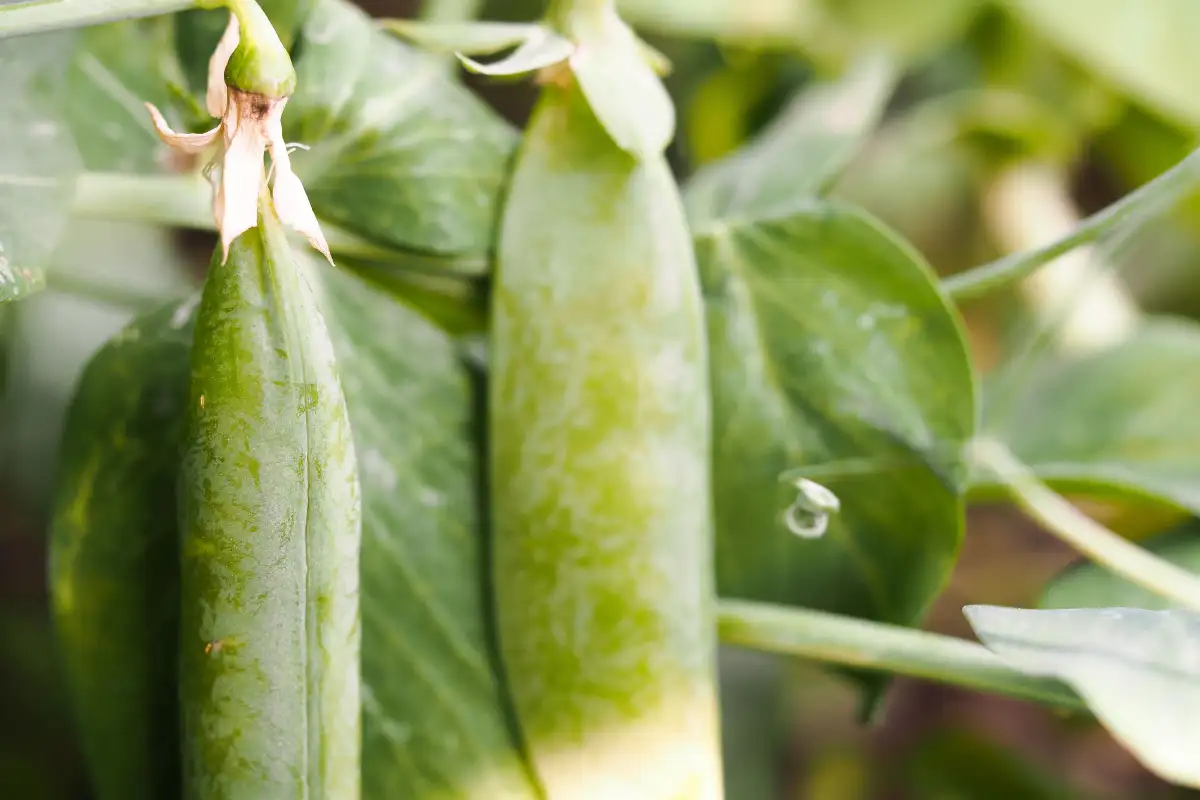
After a soil test, I check what I am planting next. Heavy feeders pull a lot of nitrogen and phosphorus out of the mix quickly: tomatoes, peppers, eggplant, cucumbers, squash, broccoli, cabbage, cauliflower, and corn if you have room for it. These need either a fertile re-amended mix or a modest amount of balanced organic fertilizer on top of compost, especially if the previous crop was also a heavy feeder. Light feeders are much more forgiving: lettuce, spinach, arugula, chard, most herbs, radishes, beets, carrots, and peas or beans. Peas and beans fix their own nitrogen, so they mainly need phosphorus, potassium, and good soil structure. If I am moving from heavy to light, compost alone is often enough unless the soil test shows a clear deficiency. If I am going light to heavy, I test and usually add a small dose of balanced organic fertilizer because the previous leafy crop likely used up available nitrogen.
That sequence—remove roots, loosen, top-dress with finished compost, test, and fertilize only if needed—is what keeps my small-space soil productive without ever replacing the whole mix after every crop. The only time I reach for fresh mix is when disease or pests make the old mix unsafe. Otherwise, the soil in my containers and raised beds gets better with each crop because I treat the space between crops as the restoration point, not the reset button.