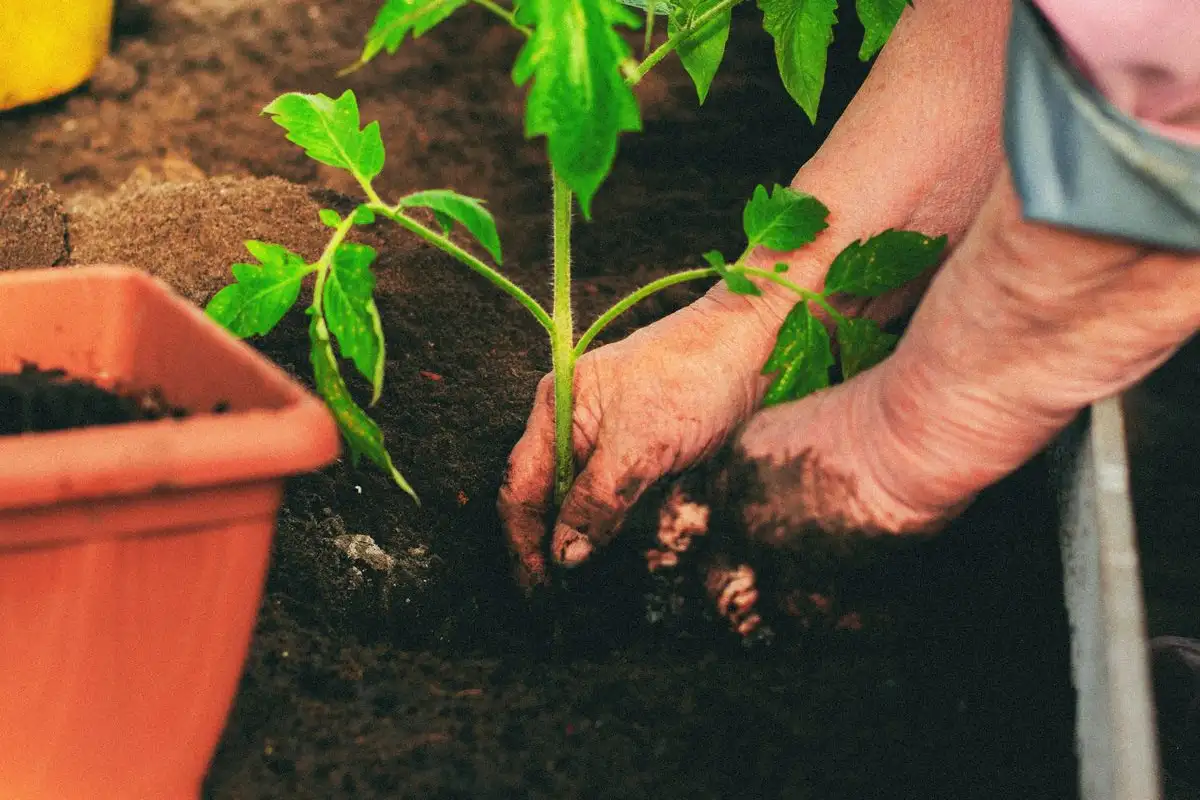
Compost Tea Is Not the Fertilizer Your Vegetables Need
Compost tea carries only a tiny fraction of the nutrients in the compost you brewed it from. Here's the label-free math and what tea actually does.
Compost tea carries only a tiny fraction of the nutrients in the compost you brewed it from. Here's the label-free math and what tea actually does.
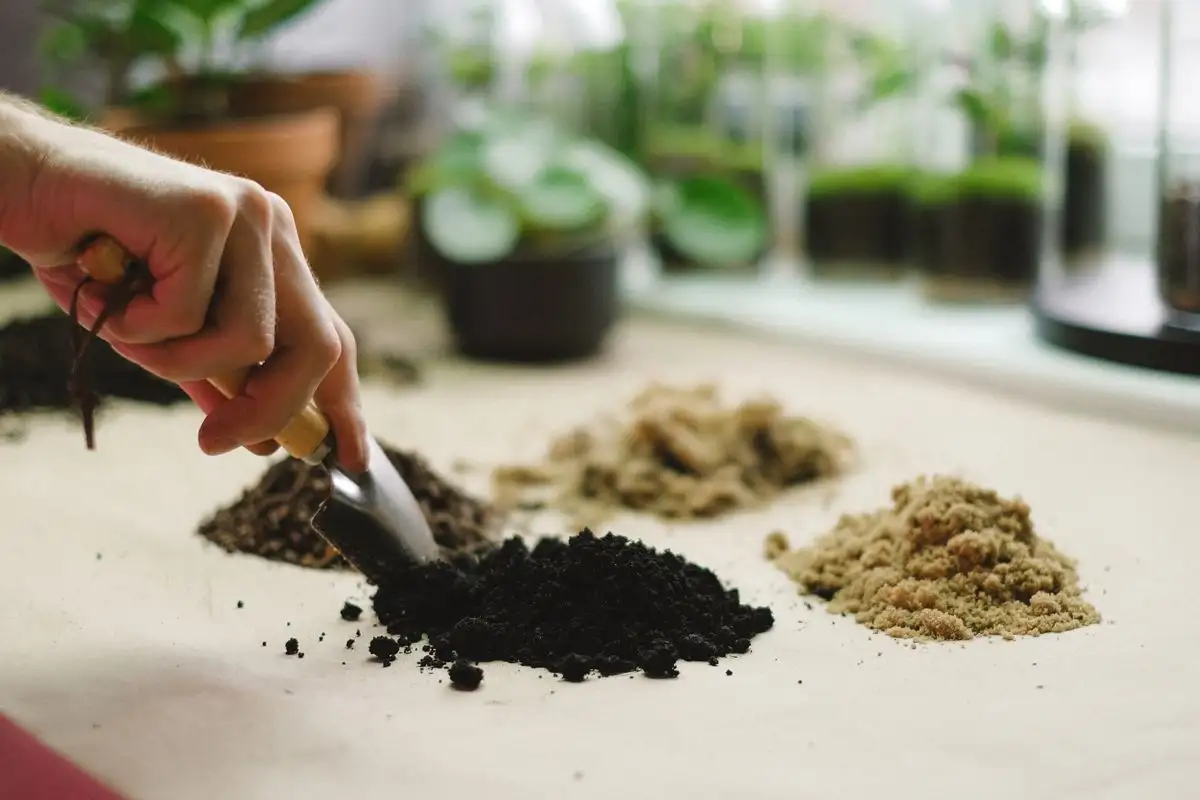
Fertilizing vegetables is three decisions, not one. How to scale soil test rates, time side-dresses, and pick a nutrient form that won't burn your roots.
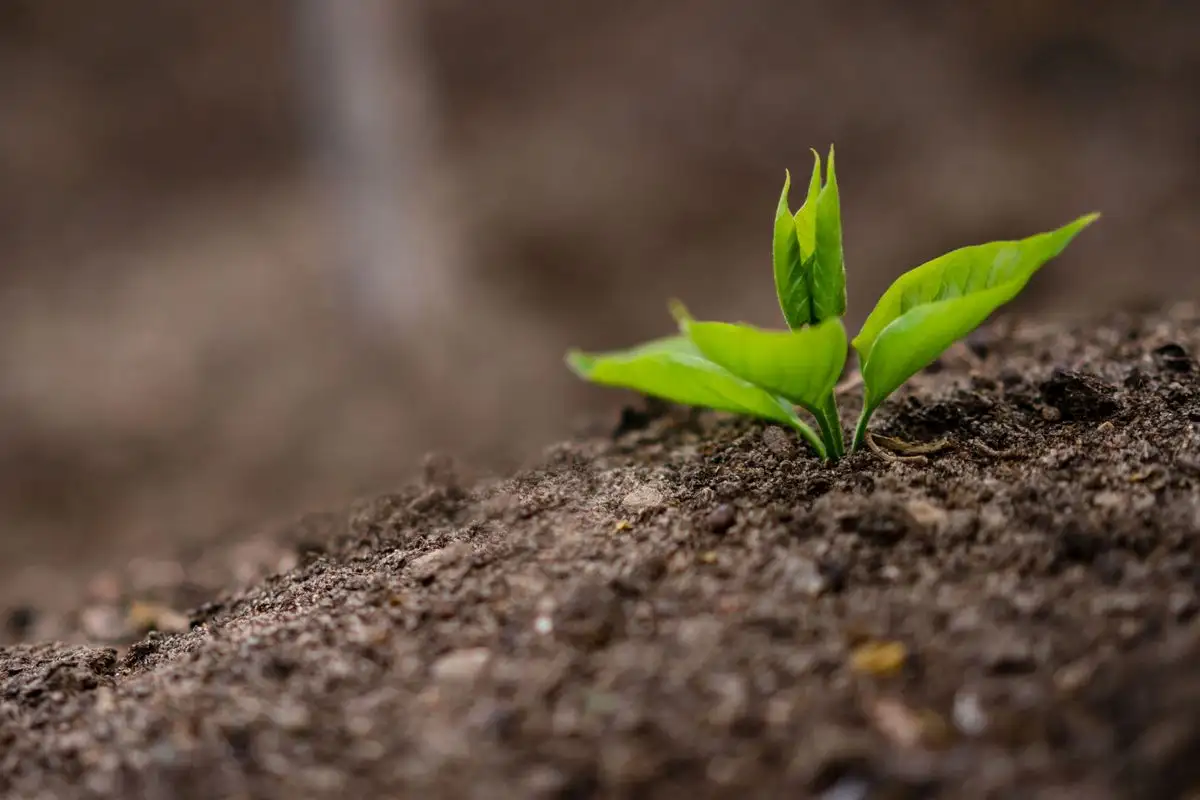
Diagnose whether your soil lacks structure, pH, minerals, or biology, then match one amendment class with rates for containers, raised beds, and small plots.
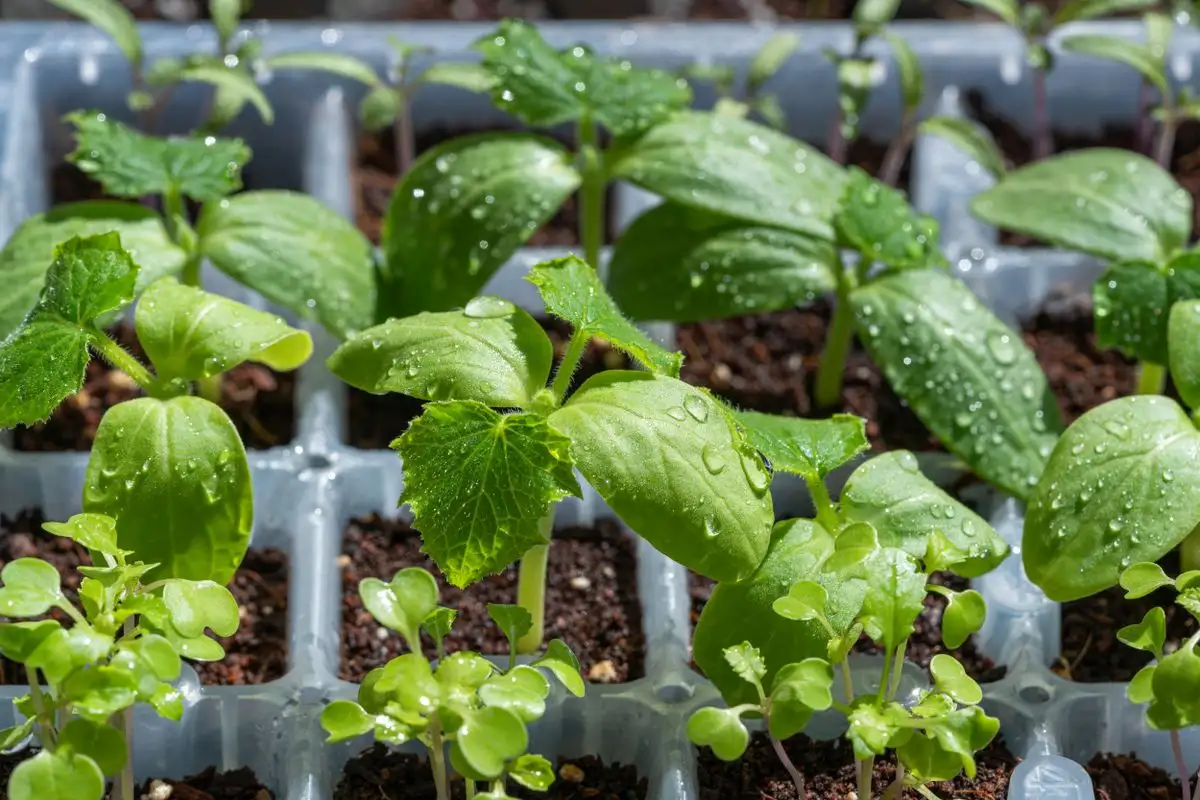
Covered seedlings die from midday heat and trapped moisture, not cold. A simple venting and watering routine for cold frames, tunnels, and row cover.
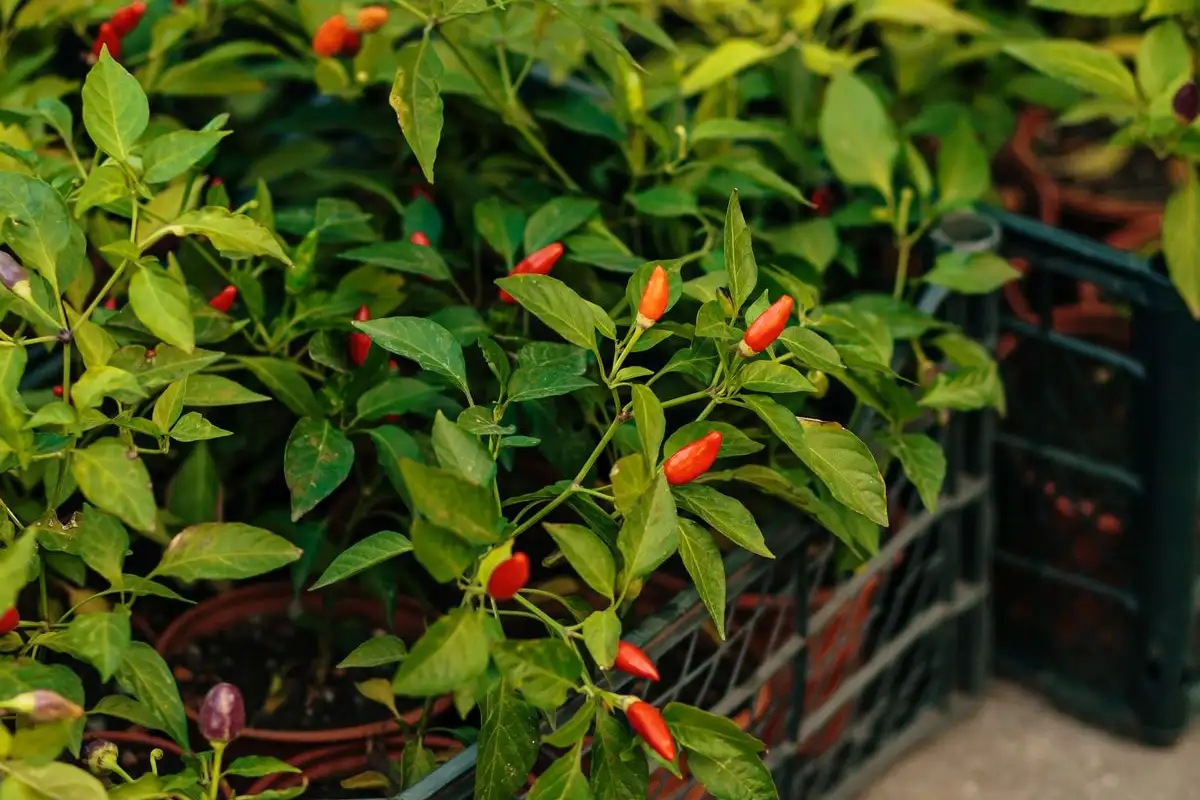
How to rotate crops in containers on a balcony: replace or solarize potting mix, shift pot positions seasonally, and group plant families without in-ground beds.
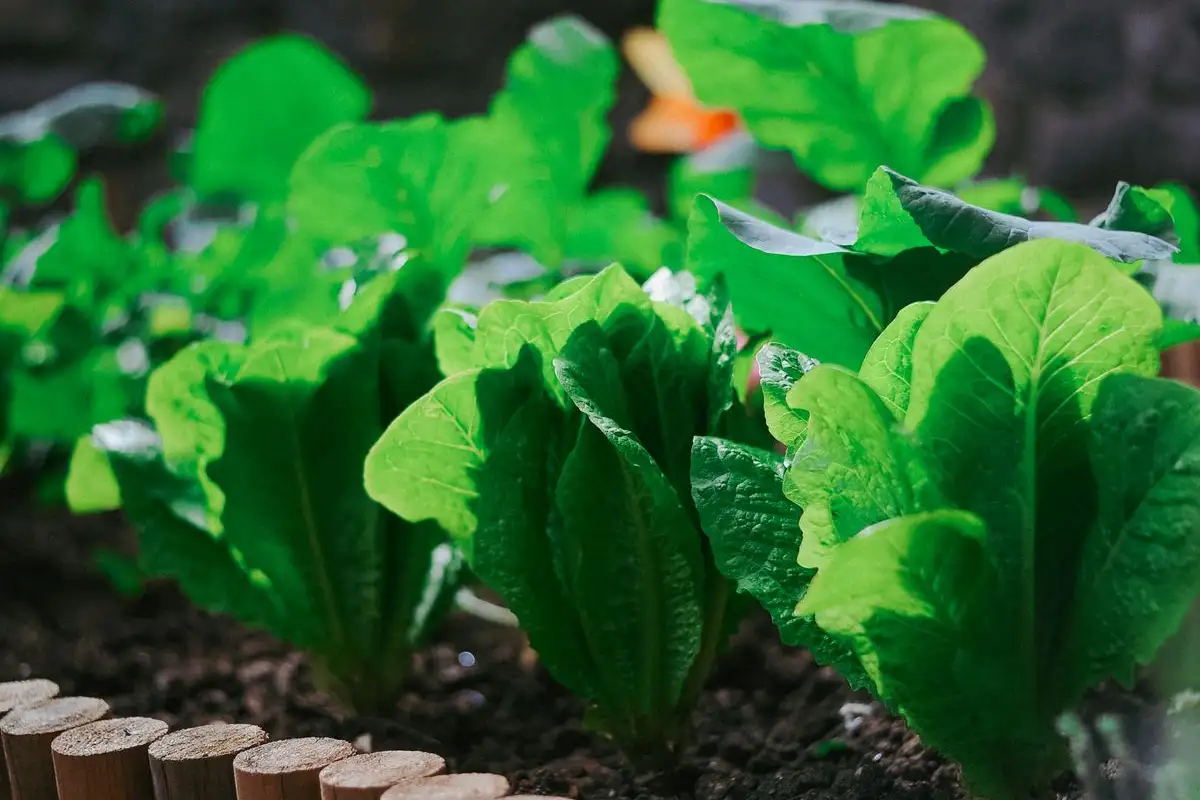
Brown, crispy leaf edges are salt burn from overfeeding. Learn to read the symptoms, leach the pot, and rebuild the root zone instead of adding more fertilizer.
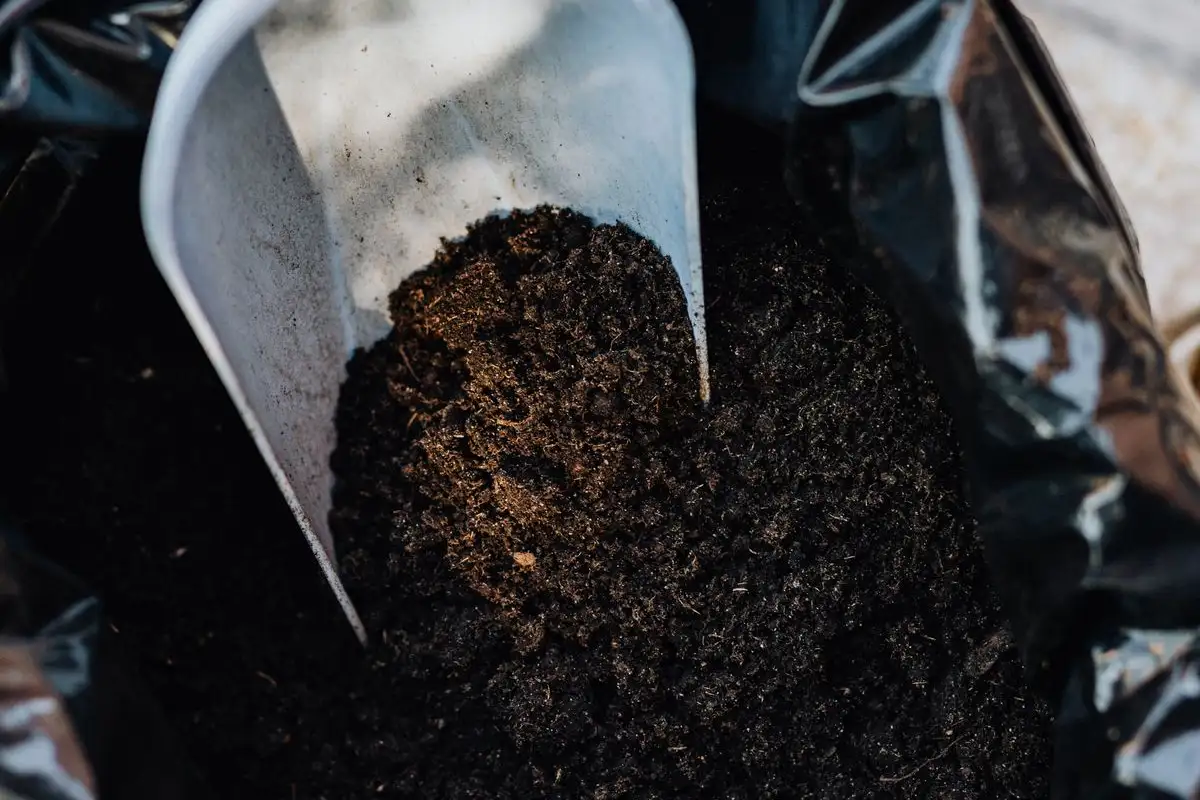
Compost goes on at 1 to 2 inches, aged manure at about an inch, leaf mold at 2 to 3. A practical guide to amendment depth in inches per bed, not bags.
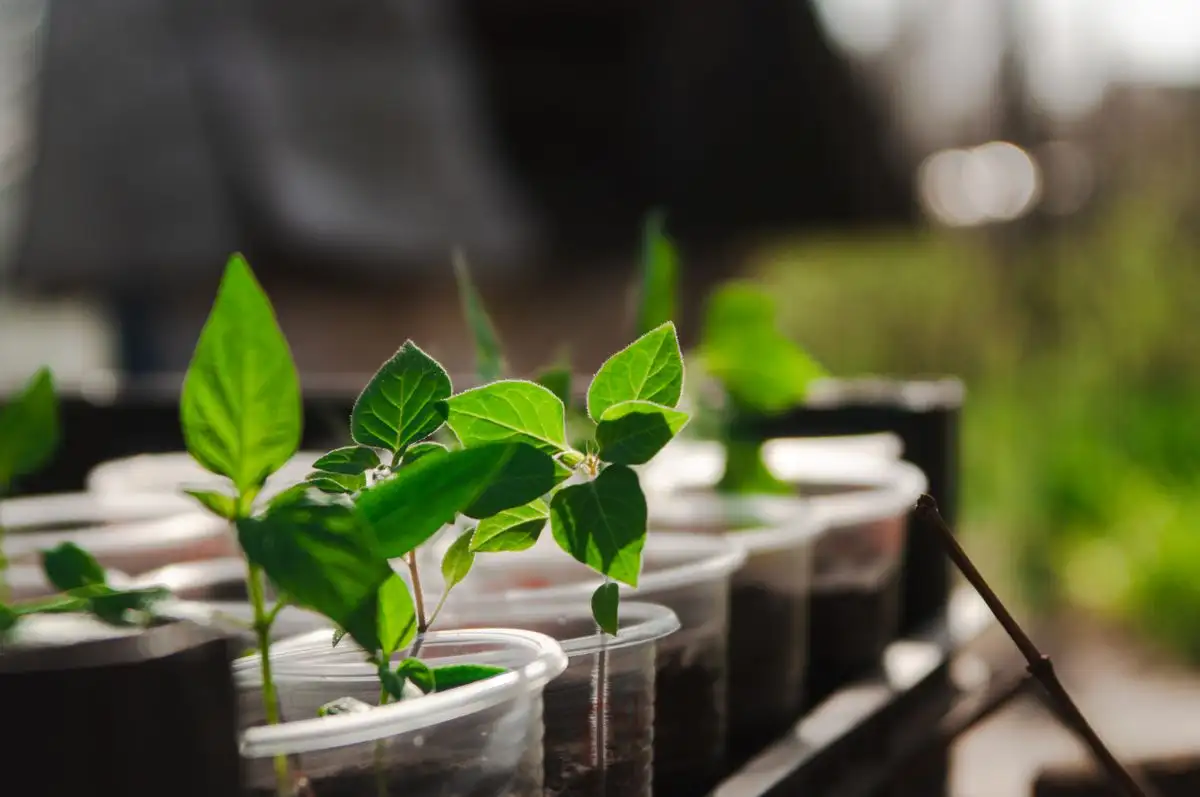
Sun hardening and cold hardening are two different jobs. Here is how to cold-acclimate transplants so a late frost does not take out everything you just planted.
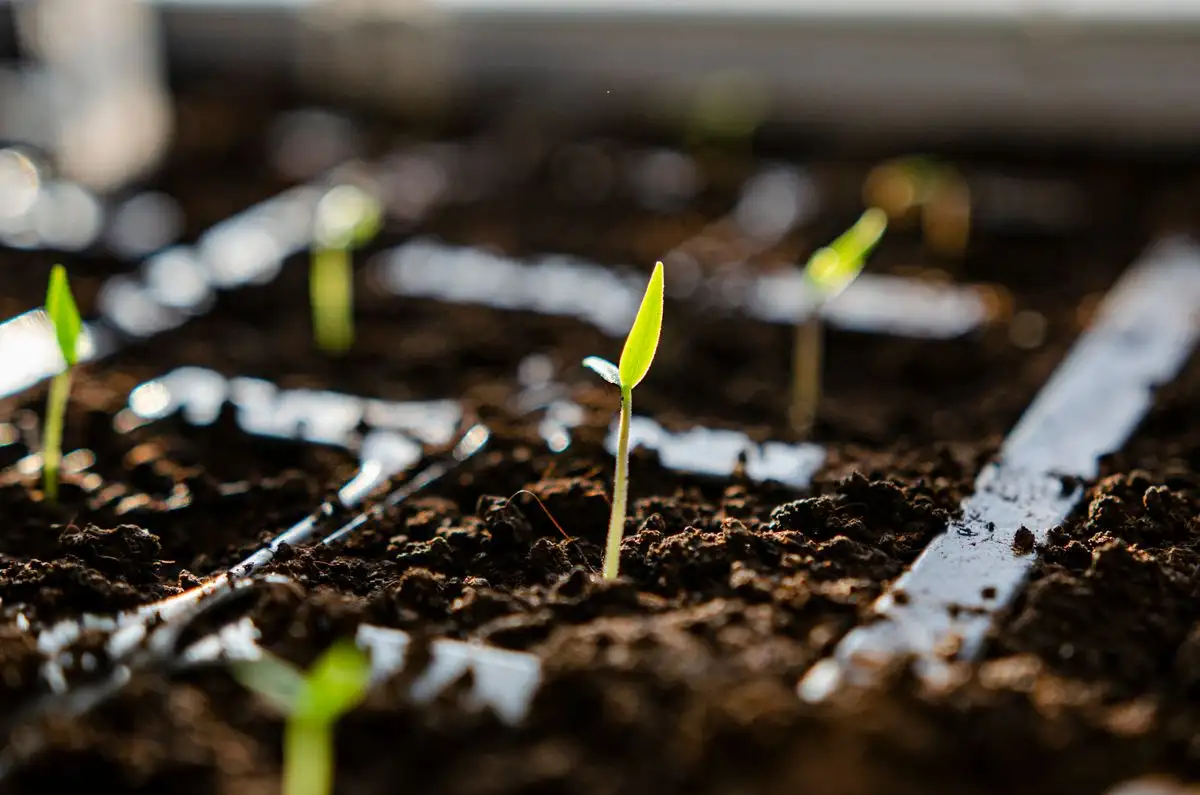
Standing water in the tray and a closed humidity dome are what actually kill seedlings. How to water by weight and touch, and when to pull the dome.
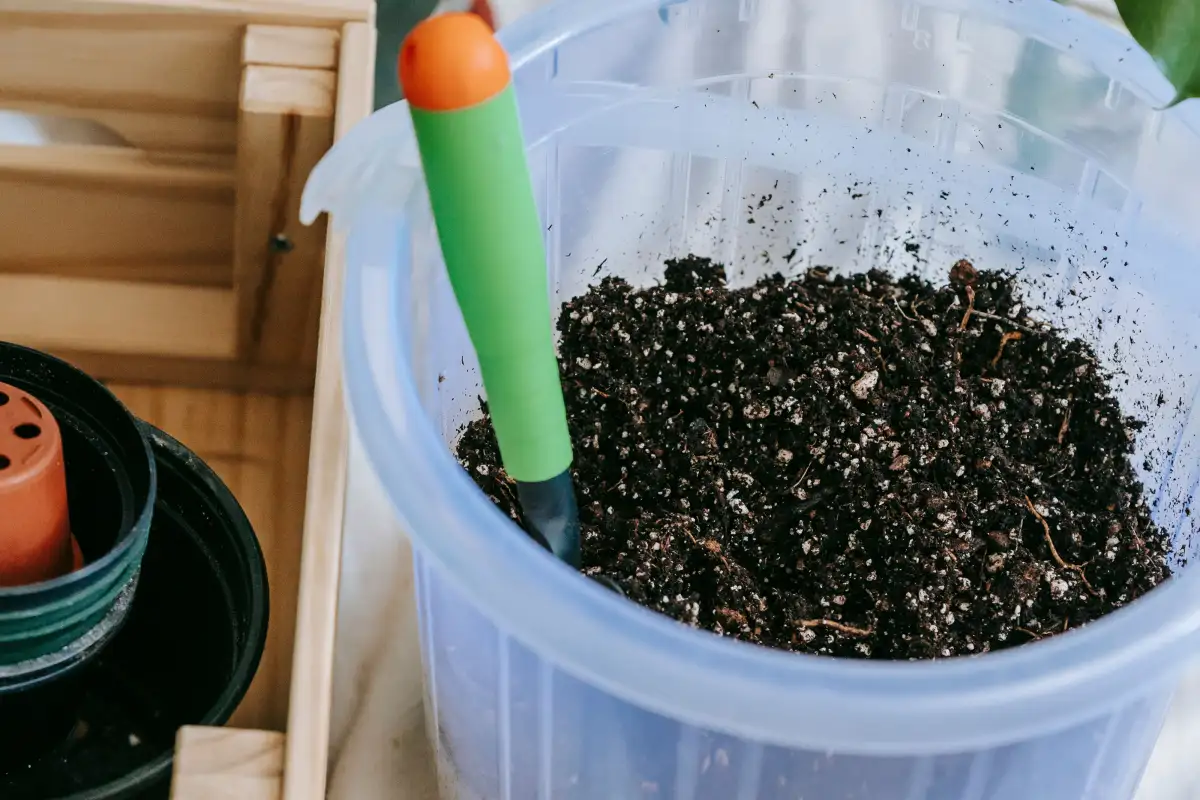
Potting mix pH is buffered at the factory and rarely needs fixing. What matters is how you test a pot, and how much alkalinity your water adds.