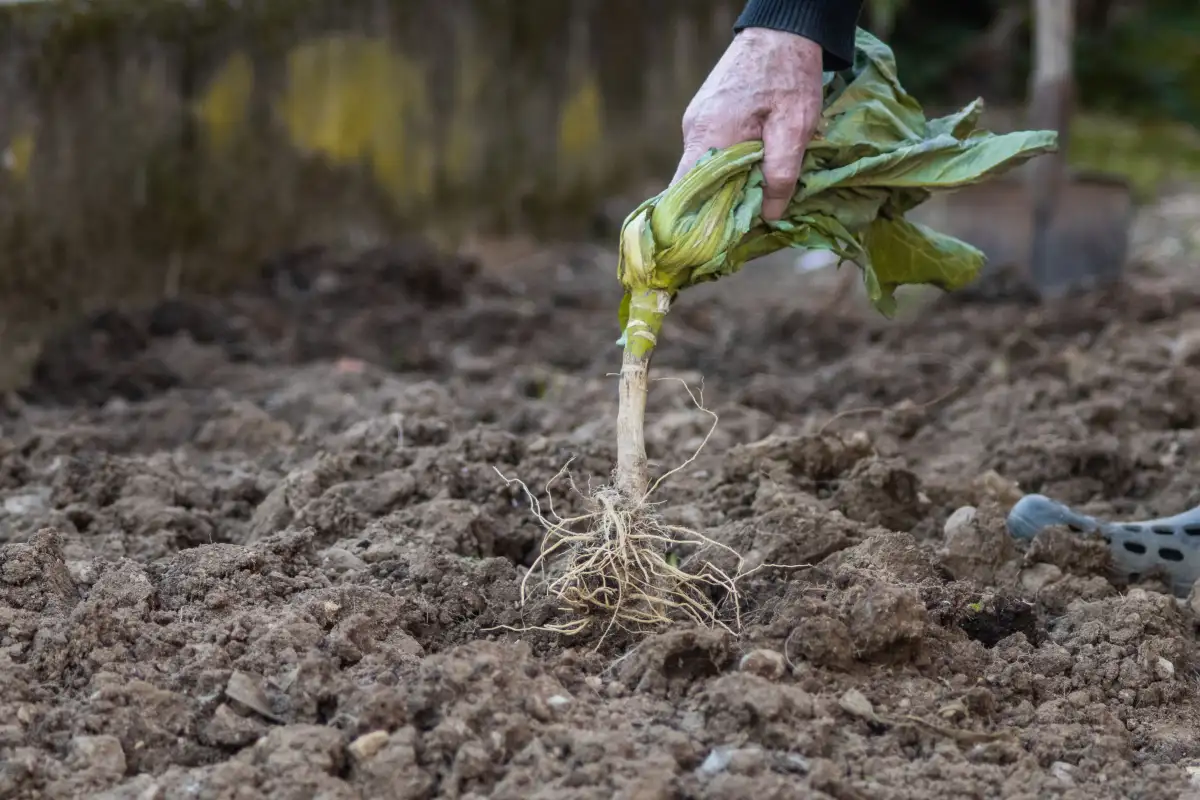
What Extension Soil Guides Say About Rotation Order
Extension soil guides sequence heavy feeders, light feeders, and legumes to balance nutrients, plus how to fit cover crops into a garden with no spare bed.
Extension soil guides sequence heavy feeders, light feeders, and legumes to balance nutrients, plus how to fit cover crops into a garden with no spare bed.
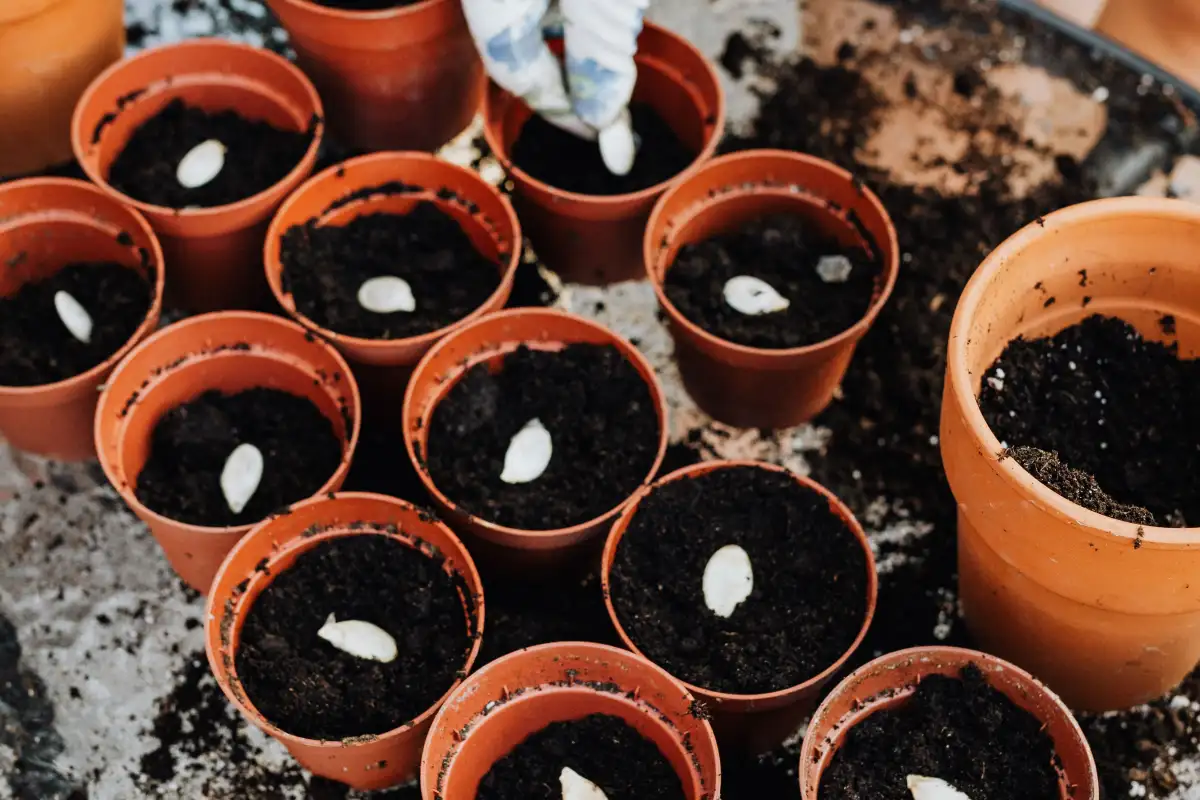
Most seed starting failures come from the medium, not the seed. Here's how compaction, crusting, and old potting soil quietly cost you germination.
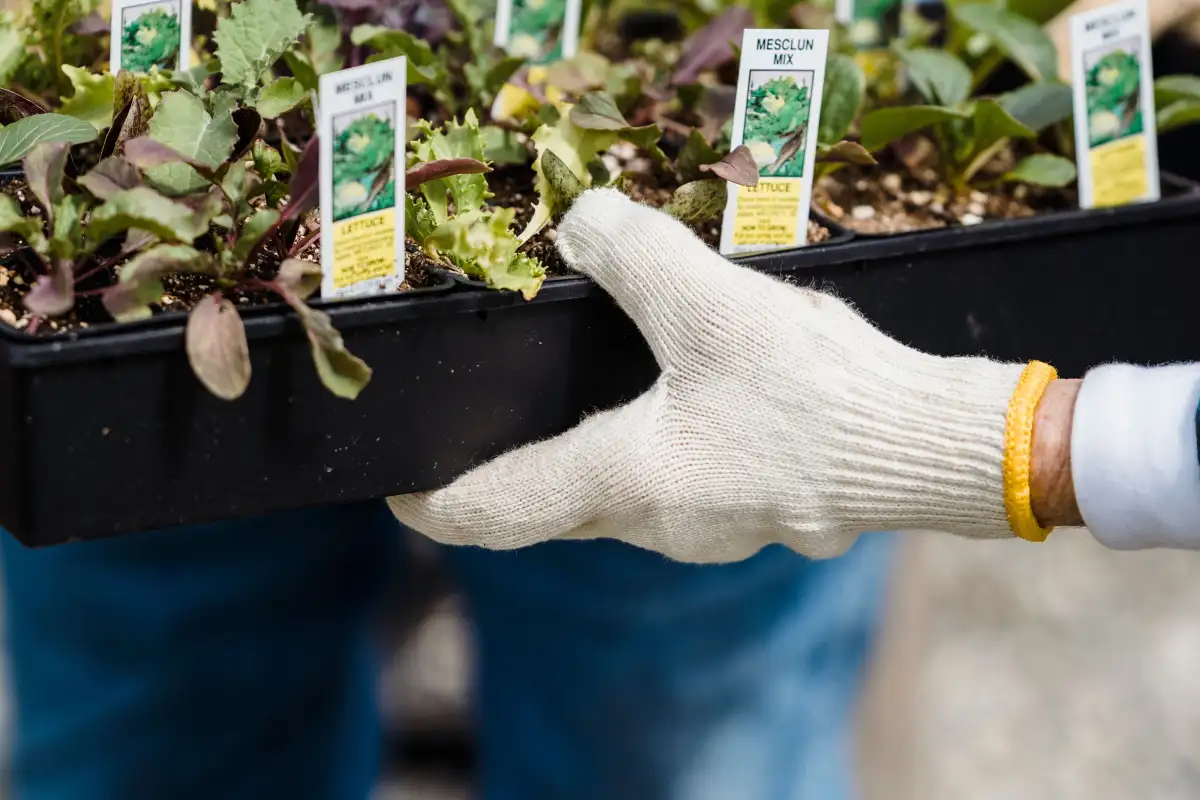
Transplant shock vs a root ball that never got rewetted: how to water in, where to check moisture, and why afternoon wilting is normal.
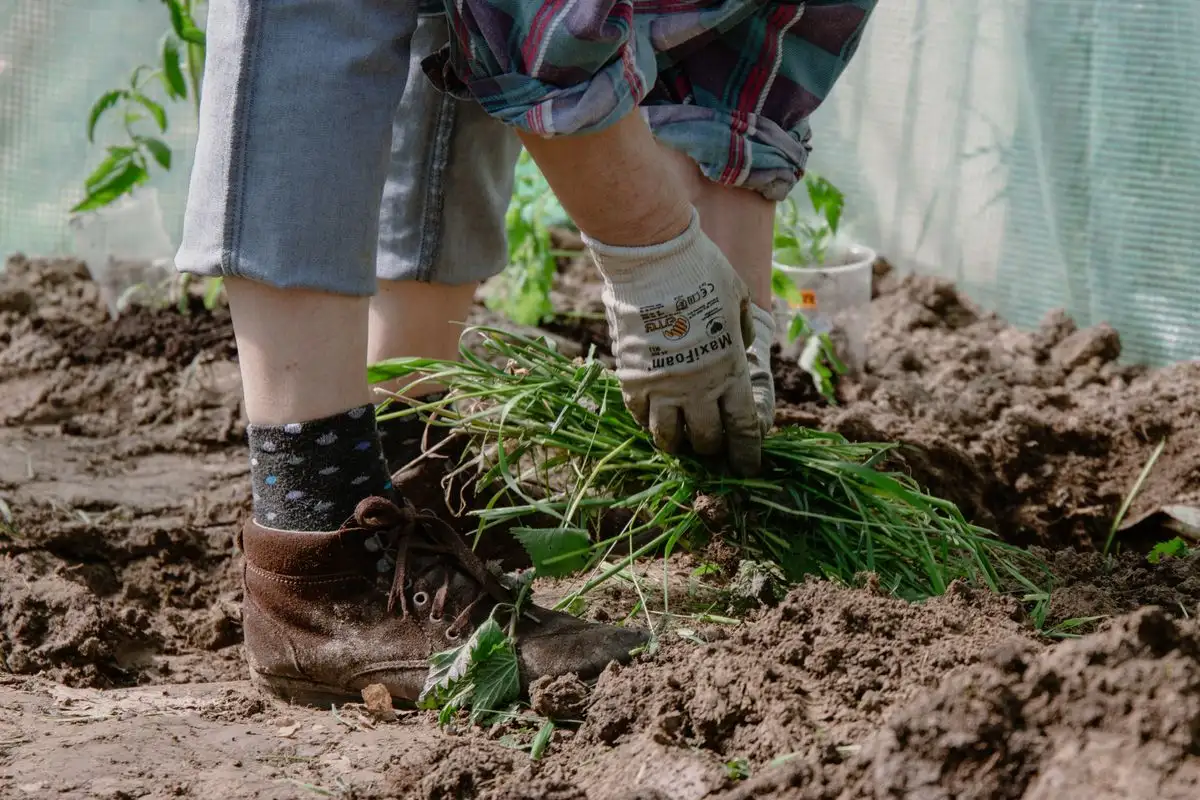
Match hoe, pulling, flame, and cultivation to each weed growth stage to kill weeds fast without slicing vegetable roots or waking dormant seeds.
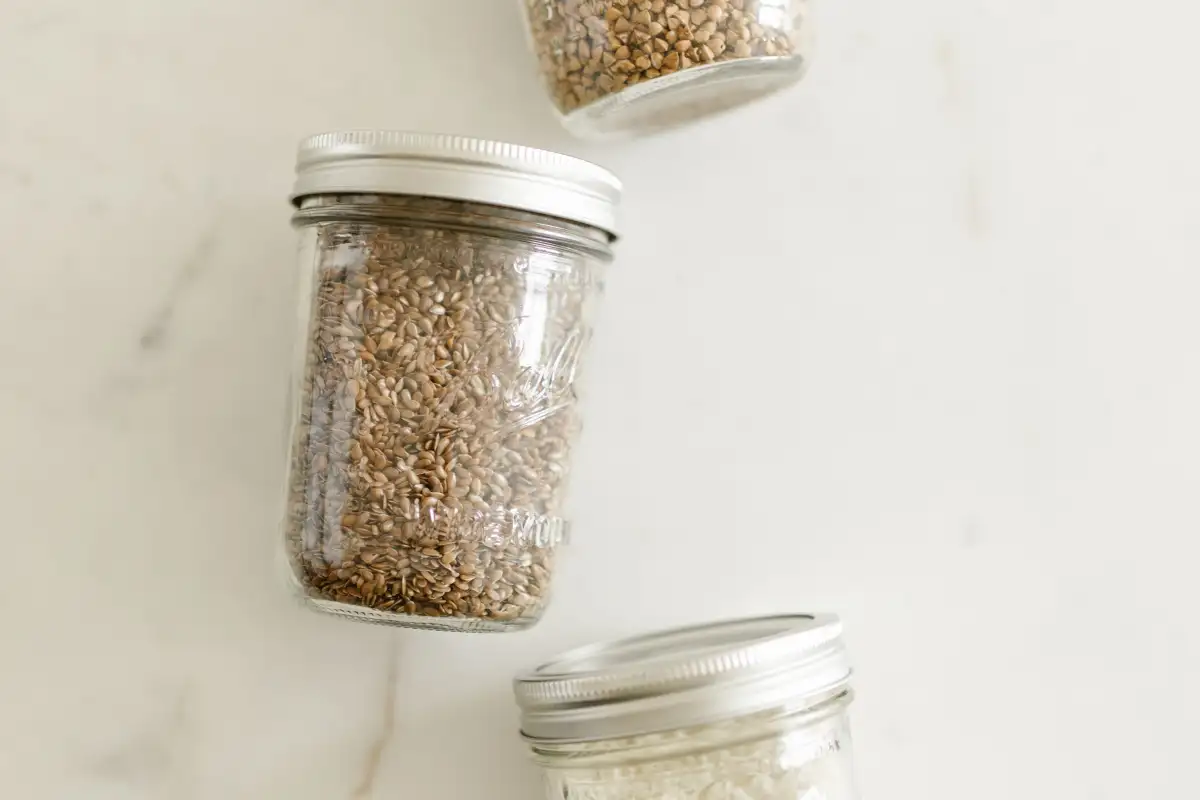
Sealed jars don't keep seed alive on their own. Moisture and temperature decide everything, and getting either wrong turns the jar into a slow incubator.
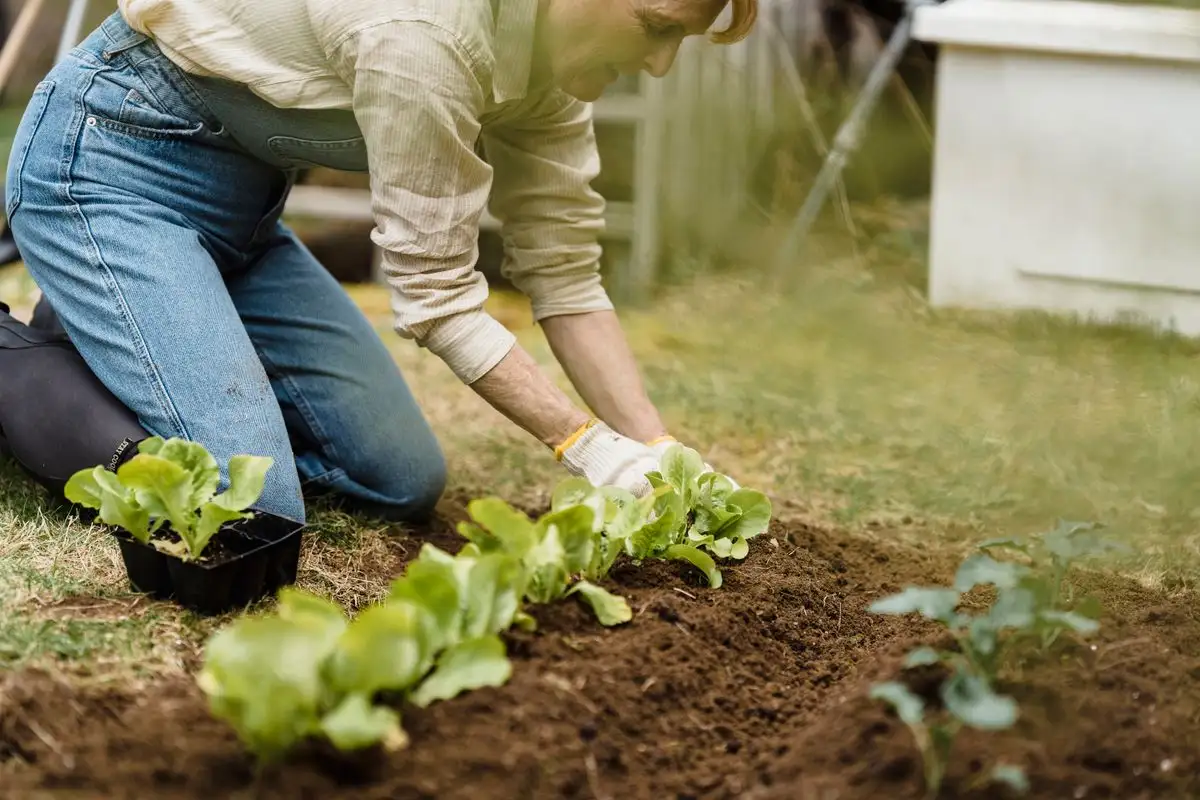
Companion planting works when you pick the mechanism first — host-finding disruption, trap crops, beneficial habitat, legume nitrogen, or shade — instead of copying a chart.
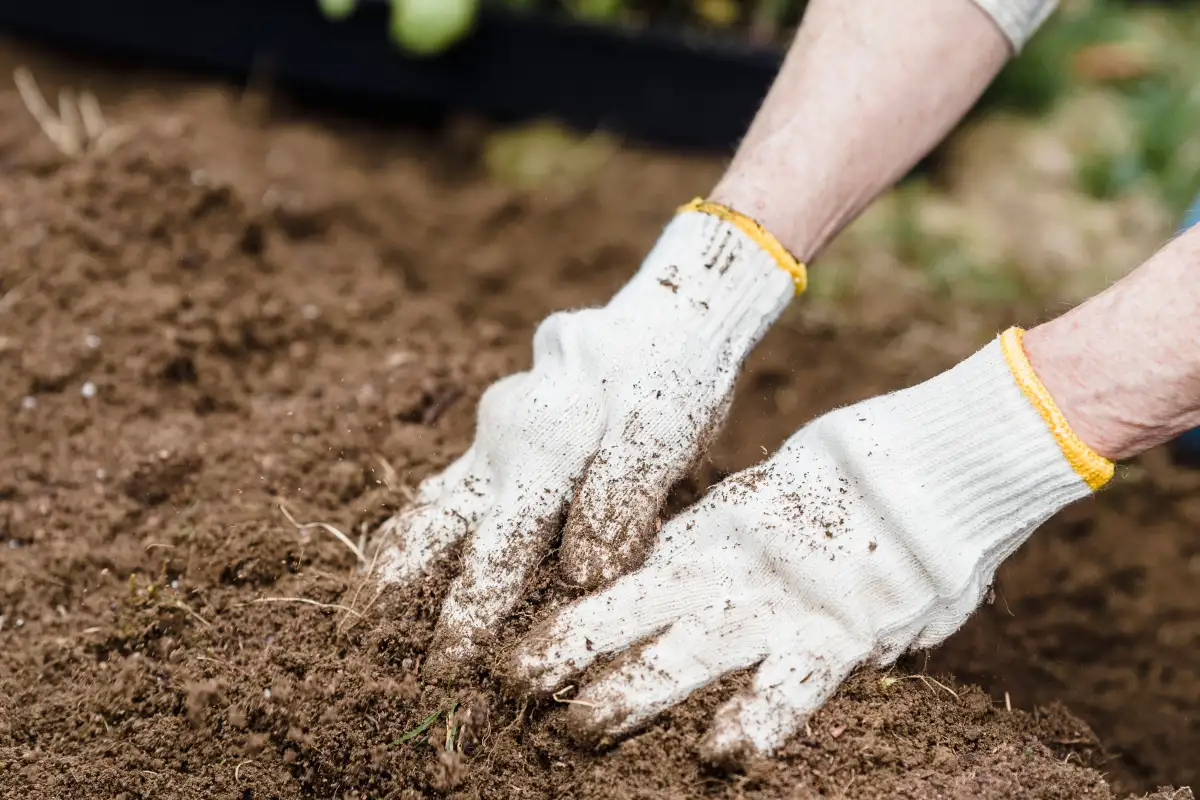
Organic amendments need warm, moist soil and two to four weeks of microbial mineralization before roots can use them. Here's how to time the clock.
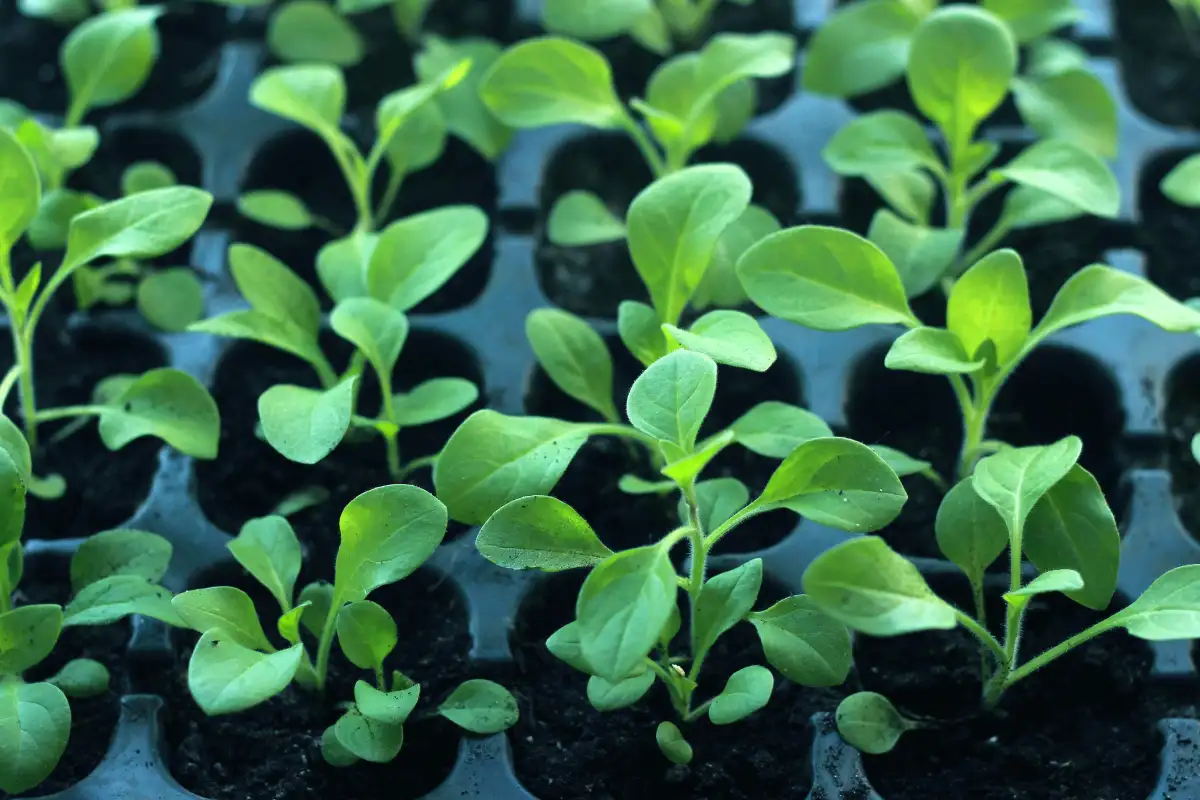
Hardening off takes 7 to 14 days of hour-by-hour exposure, not one afternoon. A day-by-day schedule plus the night temperatures that make overnight stays safe.
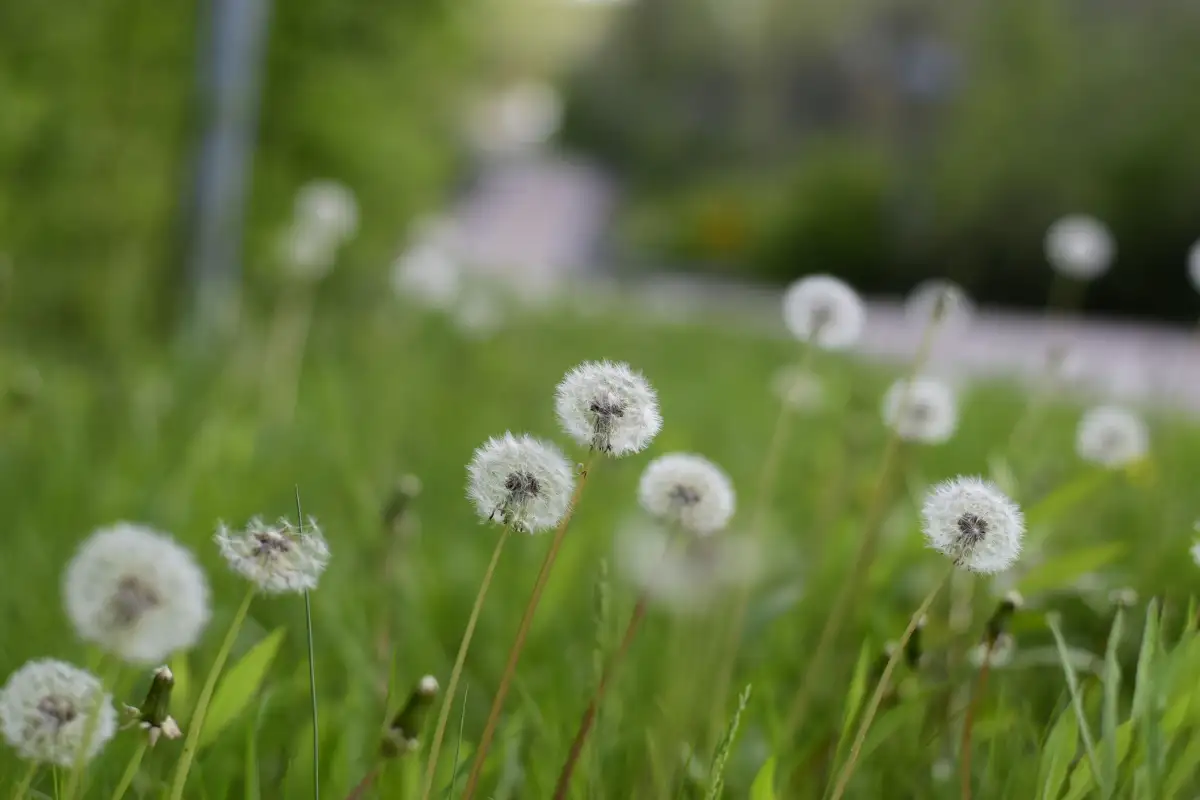
Learn to identify annual vs perennial vegetable garden weeds by leaf shape and life cycle, then time each removal to stop seed set before it starts.
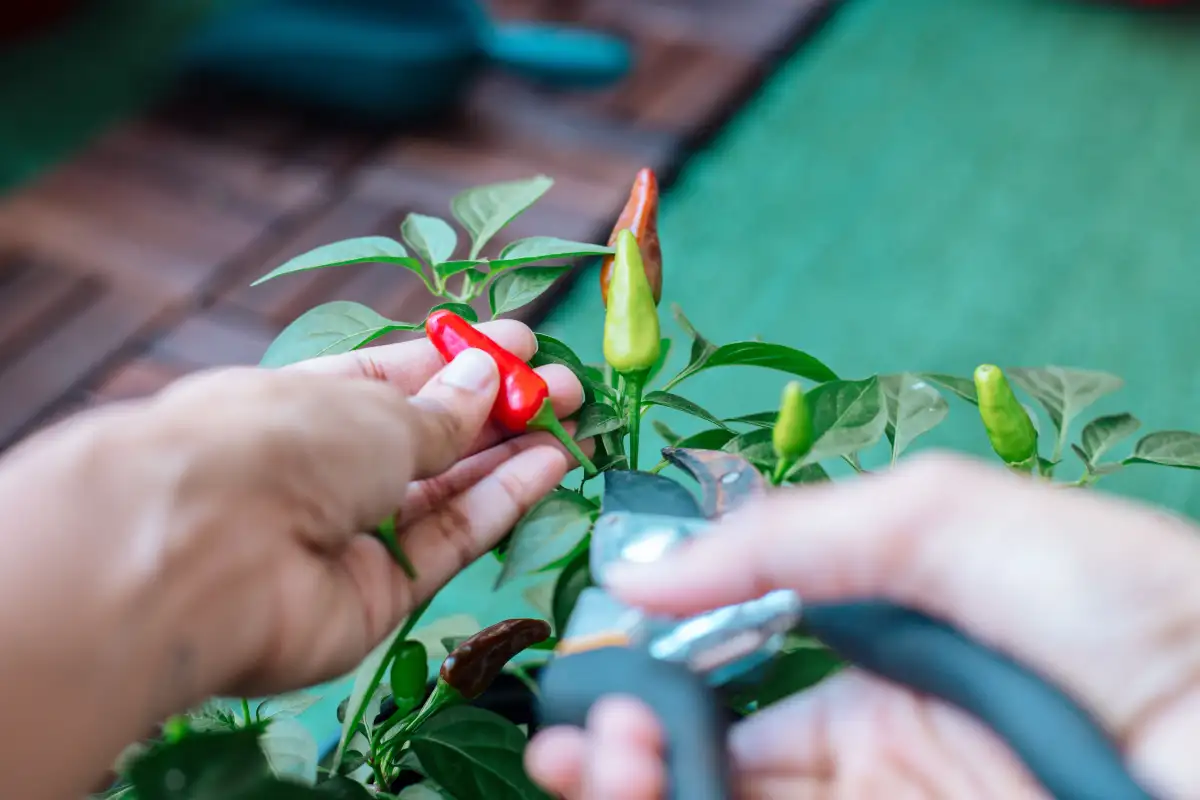
Four adjustable levers — frost-date math, cold protection, succession timing, and crop choice — stretch a container garden past the first fall frost.